54, and why some say 55
The United Nations recognizes 54 sovereign states on the African continent, following the UN's own M49 geographic classification. That is the number this site uses, and it is the number behind the Africa section of the Geography app. The extra name you sometimes see is Western Sahara, whose government in exile, the Sahrawi Arab Democratic Republic, is a full member of the African Union, making the AU's own membership count 55. Morocco disputes Western Sahara's sovereignty and controls most of its territory, and Morocco itself rejoined the African Union in 2017 after decades outside it in protest of the SADR's admission. The UN classifies Western Sahara as a non-self-governing territory rather than a member state, which is why it sits outside the 54.
All 54, by subregion
Statisticians at the United Nations group Africa into five subregions: Northern Africa, Western Africa, Middle Africa, Eastern Africa, and Southern Africa. Eastern Africa is the most crowded, with 18 countries, and Western Africa is close behind with 16. Here is every country, sorted by subregion, with its capital.
| Country | Capital | Subregion |
|---|---|---|
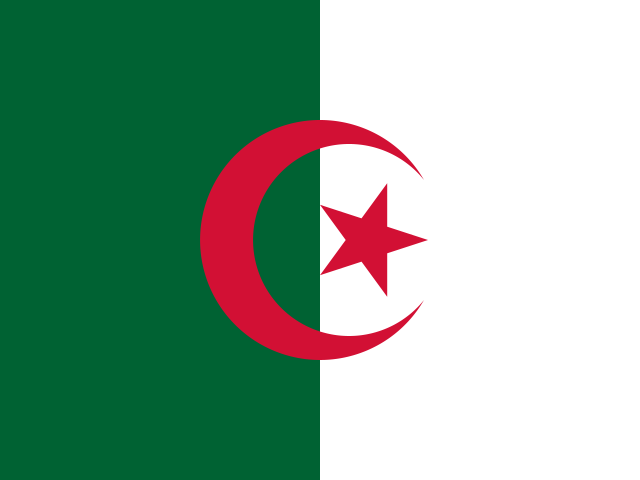 Algeria Algeria | Algiers | Northern Africa |
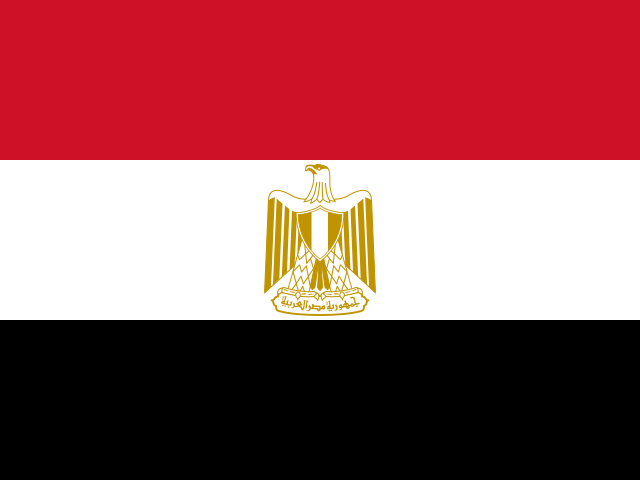 Egypt Egypt | Cairo | Northern Africa |
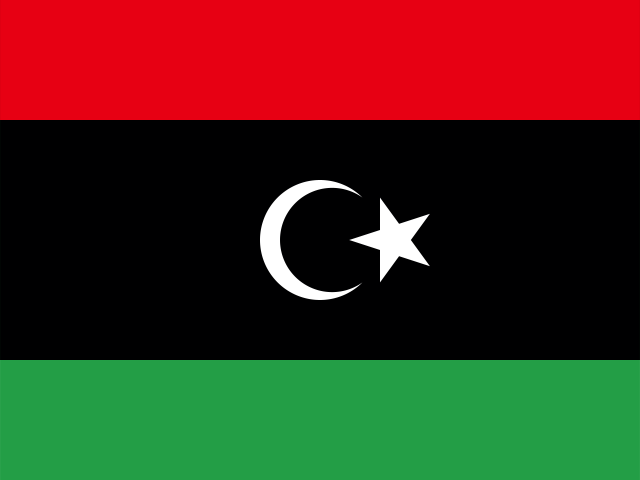 Libya Libya | Tripoli | Northern Africa |
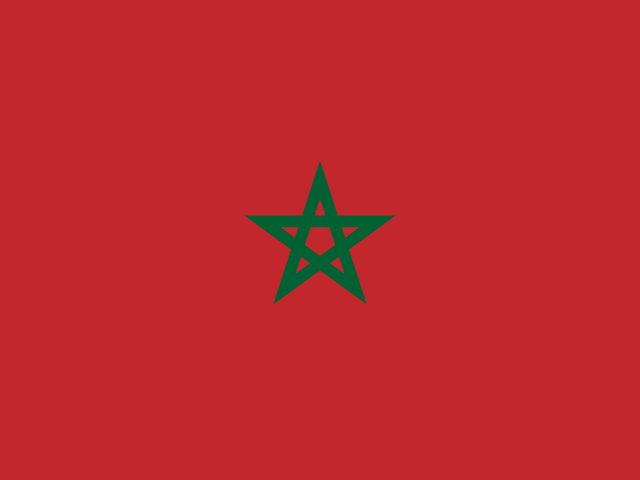 Morocco Morocco | Rabat | Northern Africa |
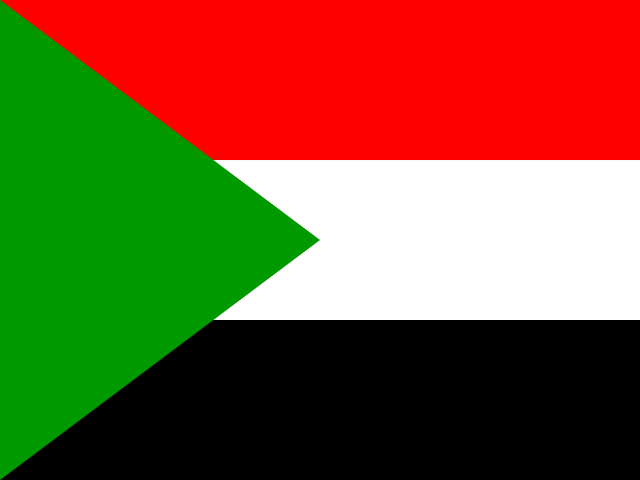 Sudan Sudan | Khartoum | Northern Africa |
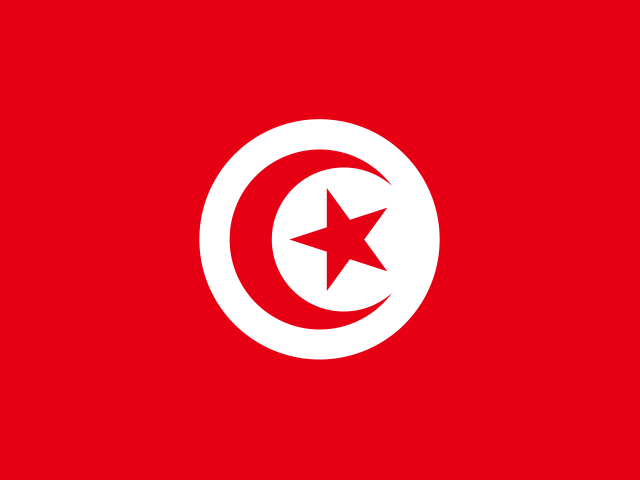 Tunisia Tunisia | Tunis | Northern Africa |
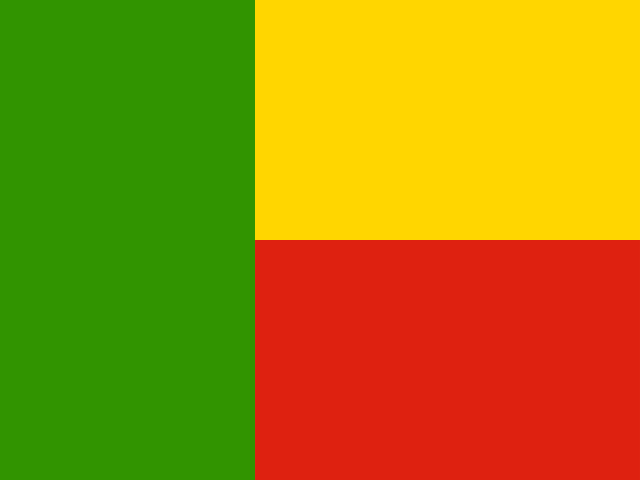 Benin Benin | Porto-Novo (Cotonou is the seat of government) | Western Africa |
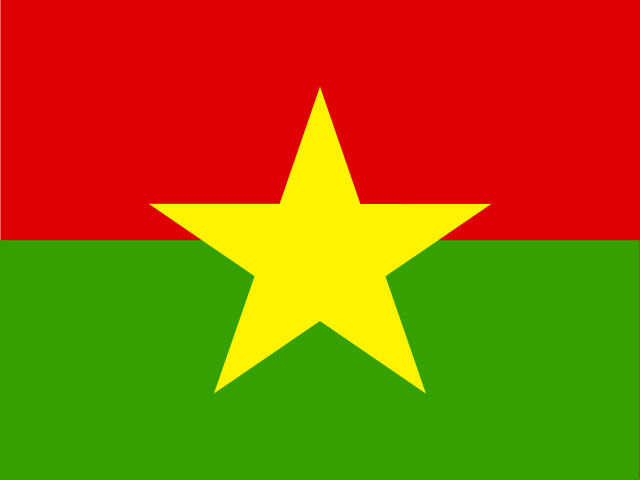 Burkina Faso Burkina Faso | Ouagadougou | Western Africa |
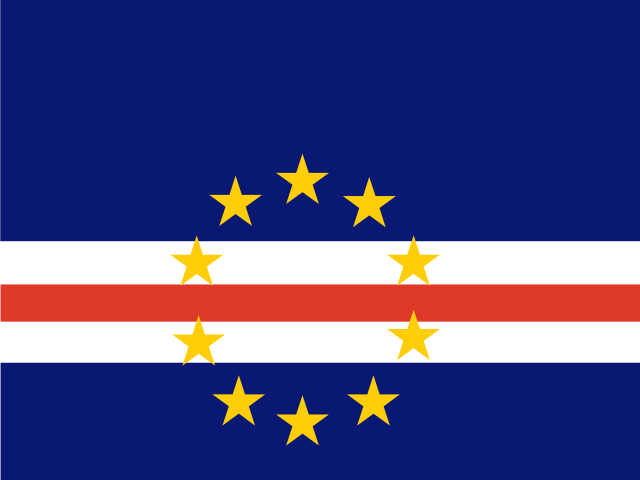 Cabo Verde Cabo Verde | Praia | Western Africa |
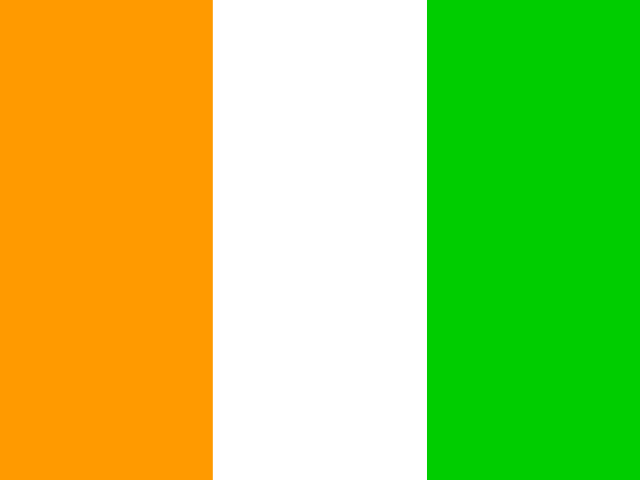 Côte d'Ivoire Côte d'Ivoire | Yamoussoukro (Abidjan is the seat of government) | Western Africa |
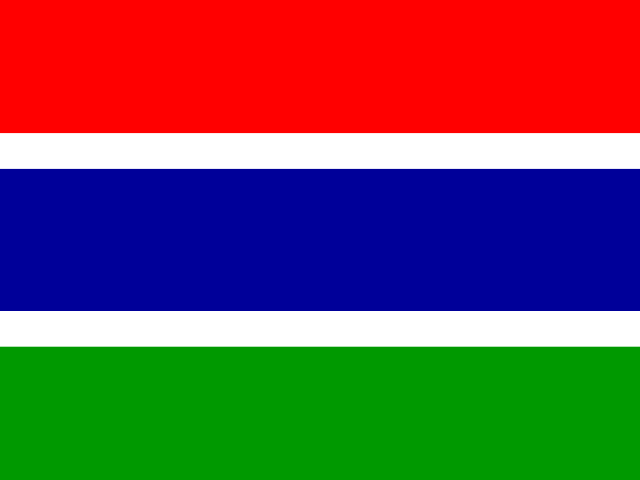 Gambia Gambia | Banjul | Western Africa |
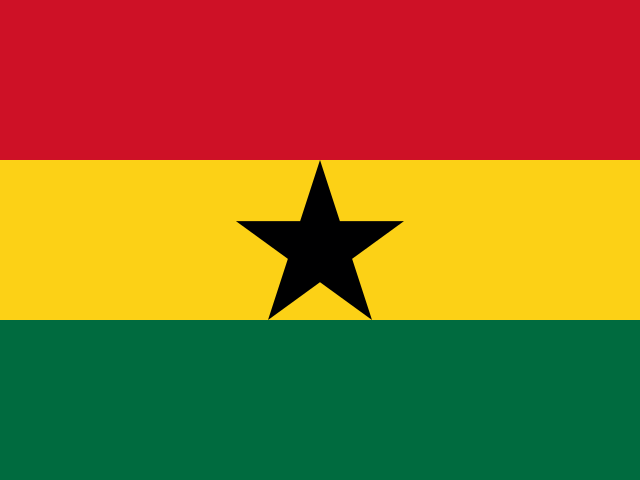 Ghana Ghana | Accra | Western Africa |
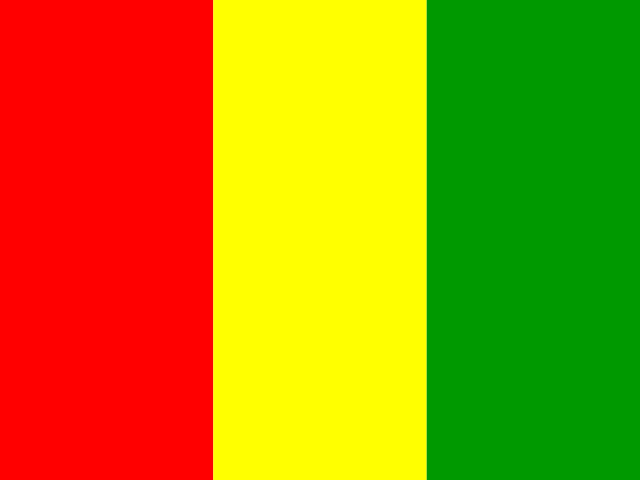 Guinea Guinea | Conakry | Western Africa |
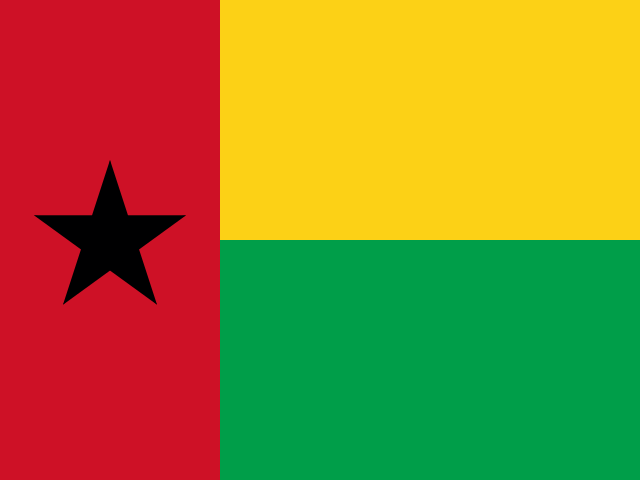 Guinea-Bissau Guinea-Bissau | Bissau | Western Africa |
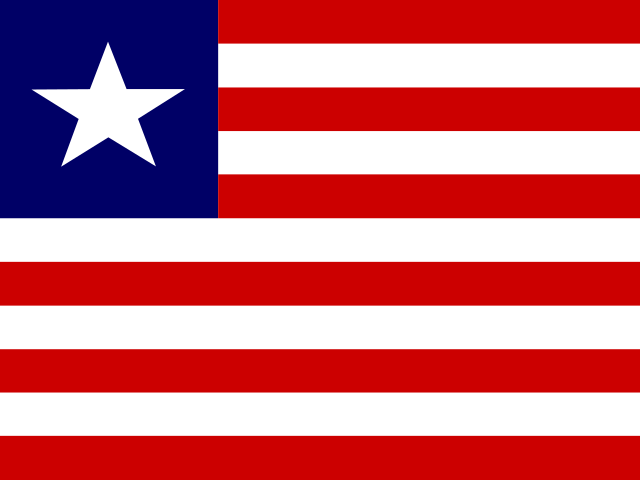 Liberia Liberia | Monrovia | Western Africa |
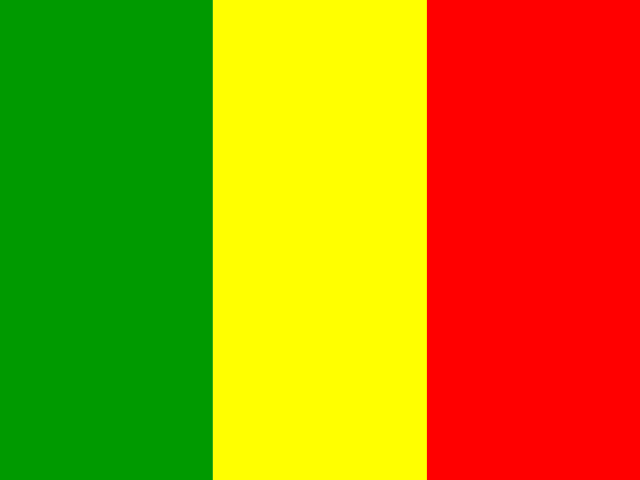 Mali Mali | Bamako | Western Africa |
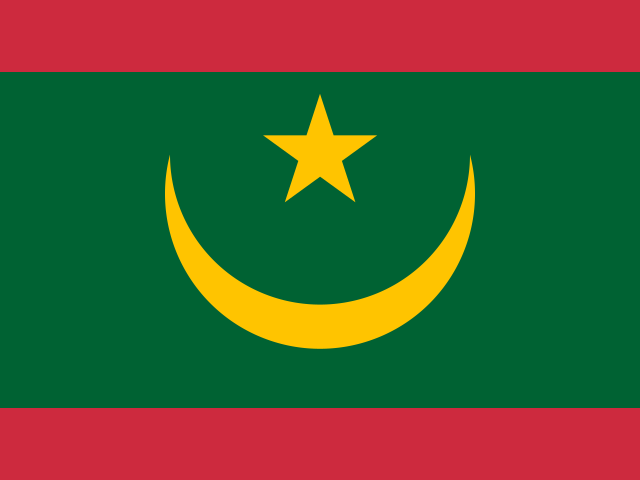 Mauritania Mauritania | Nouakchott | Western Africa |
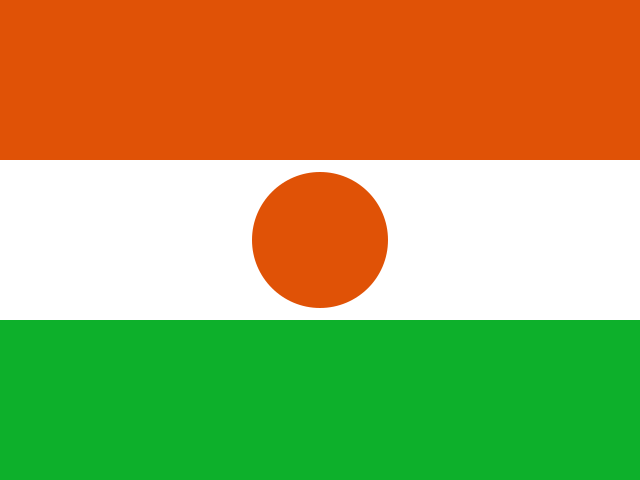 Niger Niger | Niamey | Western Africa |
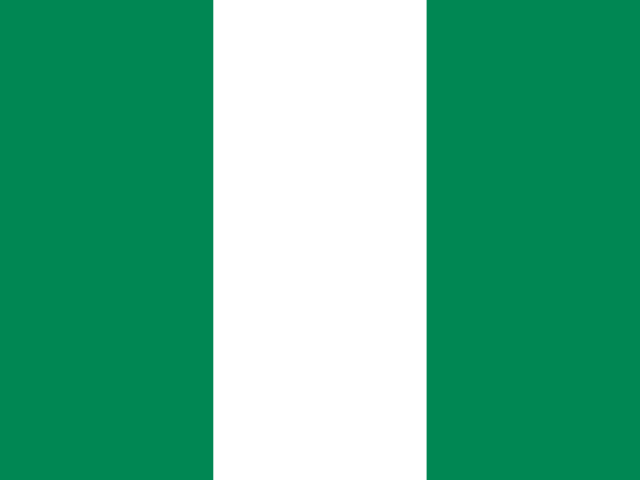 Nigeria Nigeria | Abuja | Western Africa |
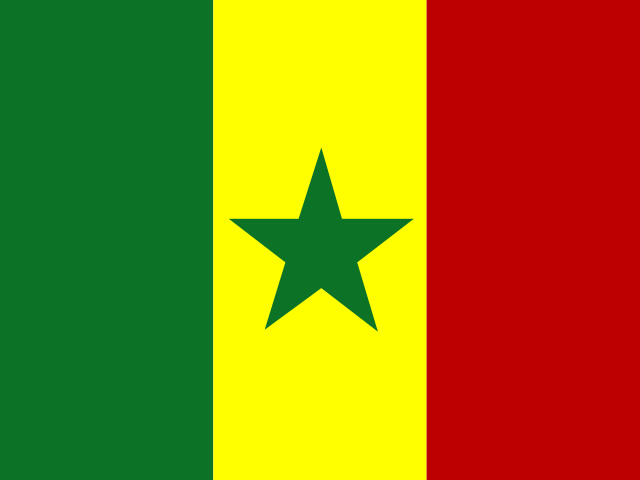 Senegal Senegal | Dakar | Western Africa |
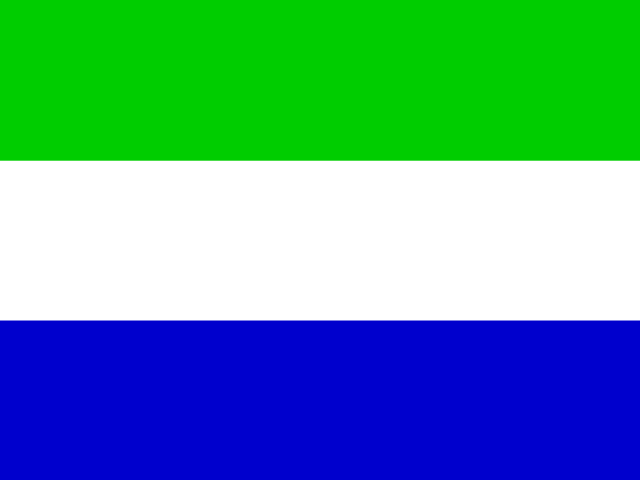 Sierra Leone Sierra Leone | Freetown | Western Africa |
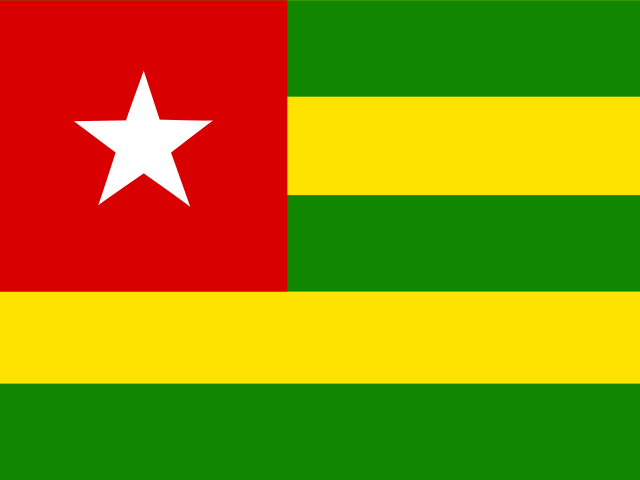 Togo Togo | Lome | Western Africa |
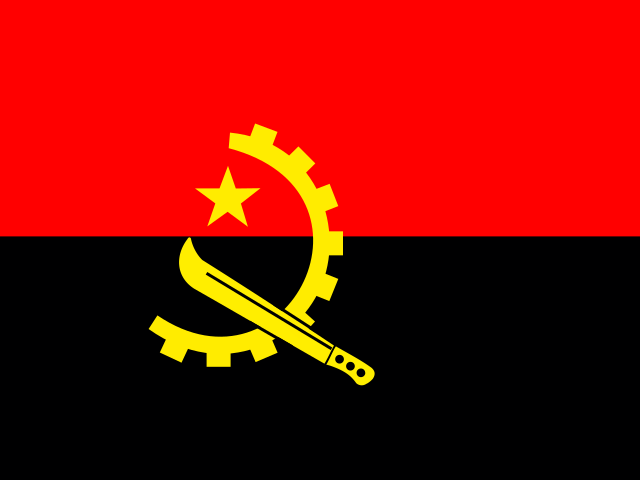 Angola Angola | Luanda | Middle Africa |
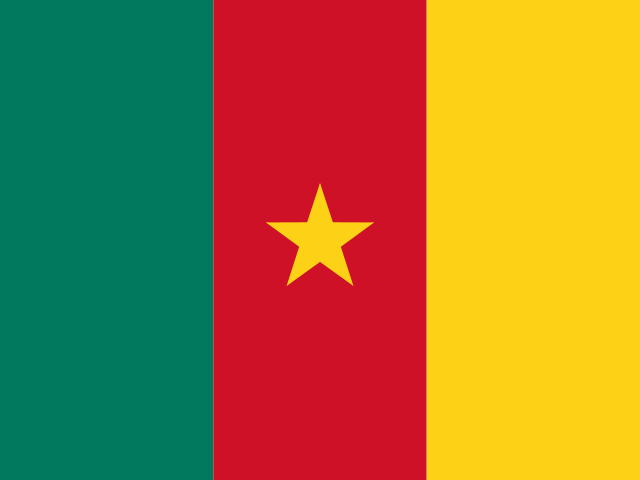 Cameroon Cameroon | Yaounde | Middle Africa |
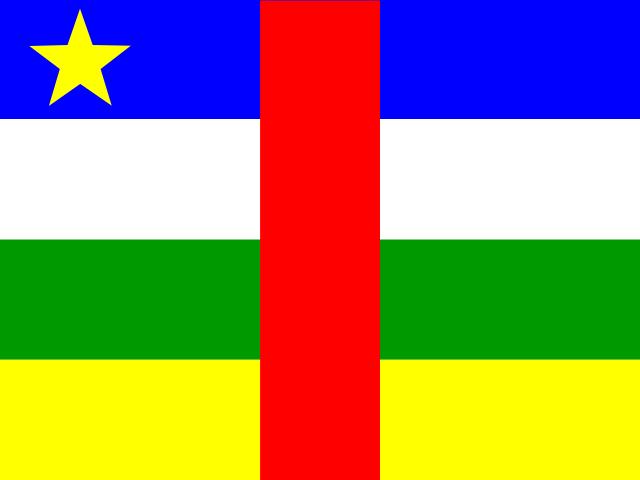 Central African Republic Central African Republic | Bangui | Middle Africa |
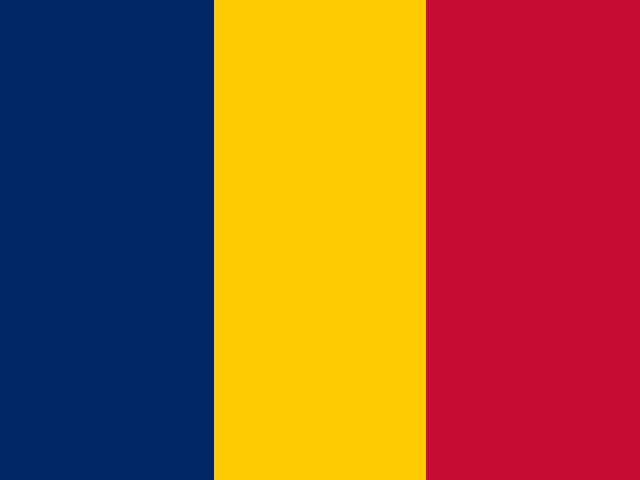 Chad Chad | N'Djamena | Middle Africa |
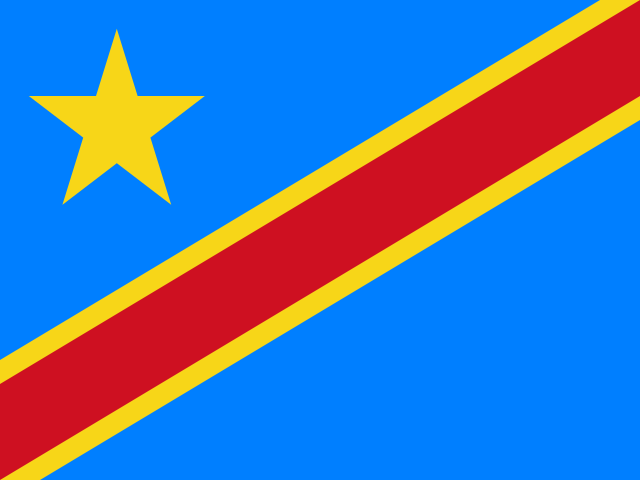 Democratic Republic of the Congo Democratic Republic of the Congo | Kinshasa | Middle Africa |
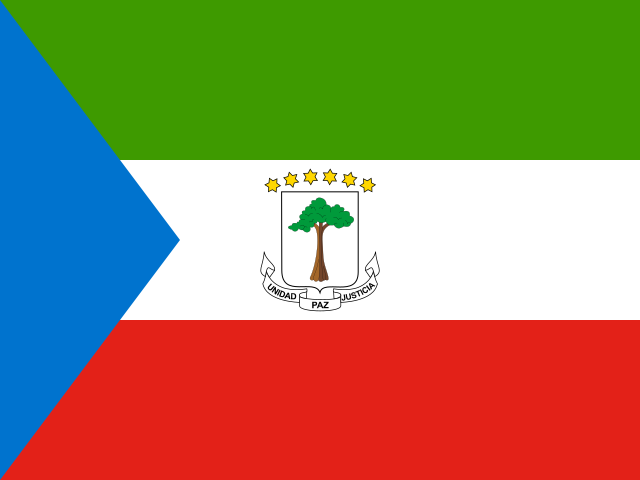 Equatorial Guinea Equatorial Guinea | Malabo | Middle Africa |
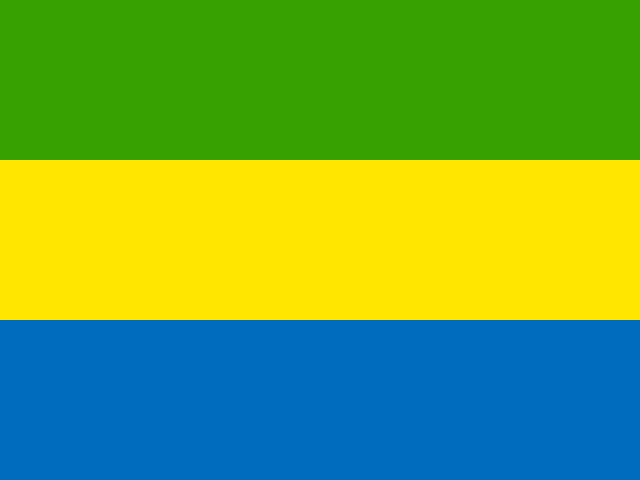 Gabon Gabon | Libreville | Middle Africa |
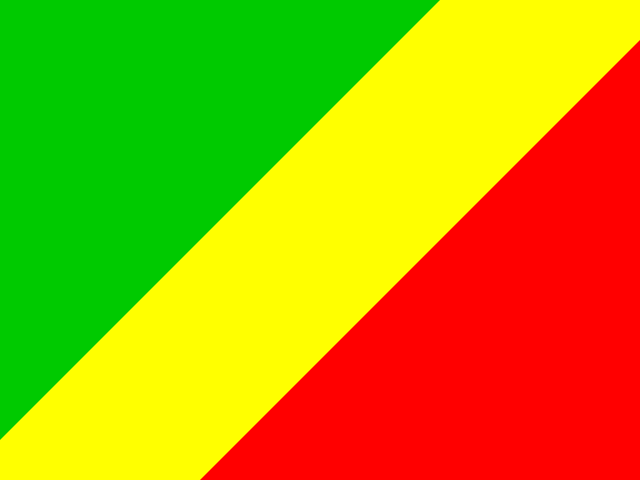 Republic of the Congo Republic of the Congo | Brazzaville | Middle Africa |
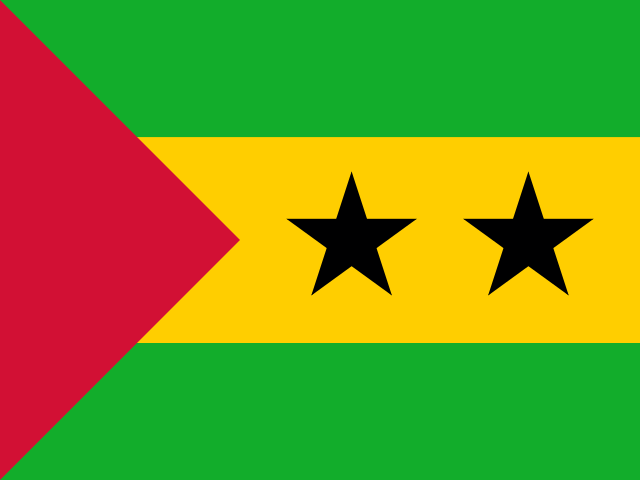 São Tomé and Príncipe São Tomé and Príncipe | São Tomé | Middle Africa |
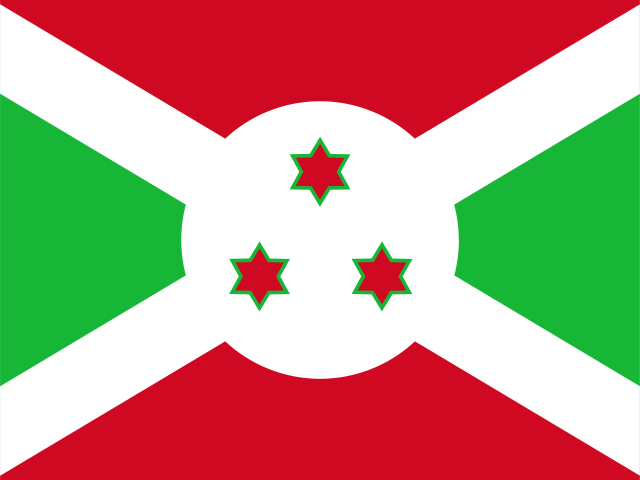 Burundi Burundi | Gitega | Eastern Africa |
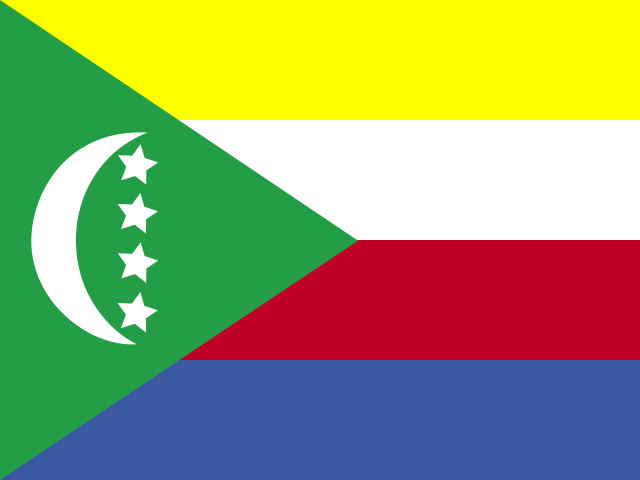 Comoros Comoros | Moroni | Eastern Africa |
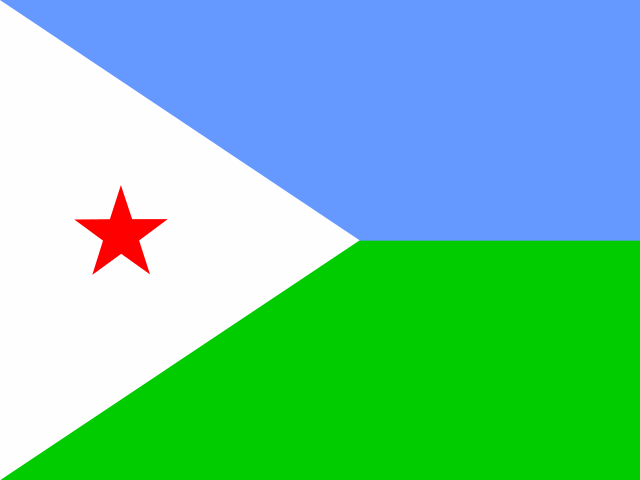 Djibouti Djibouti | Djibouti | Eastern Africa |
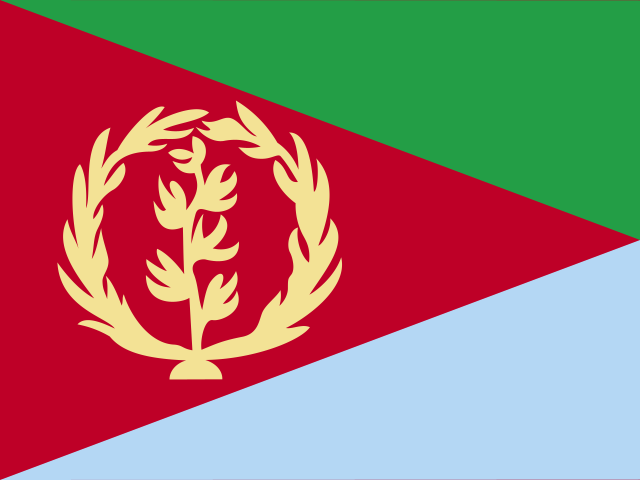 Eritrea Eritrea | Asmara | Eastern Africa |
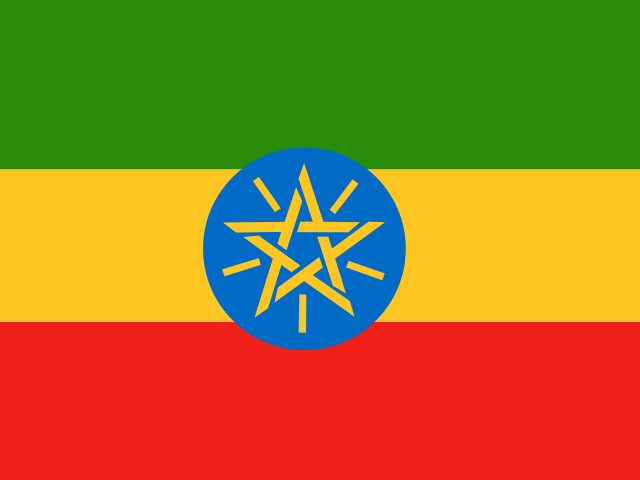 Ethiopia Ethiopia | Addis Ababa | Eastern Africa |
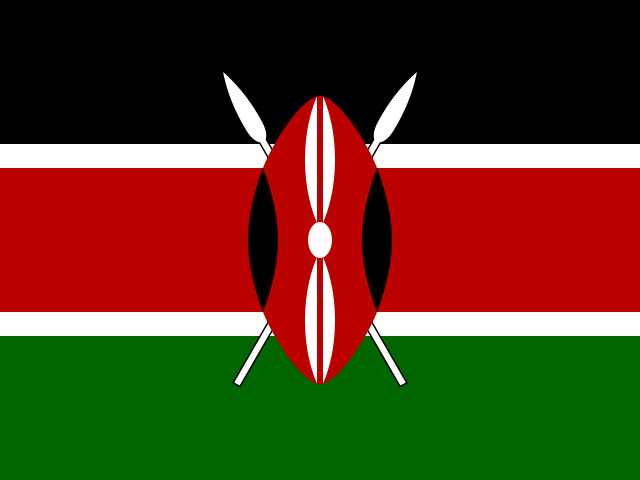 Kenya Kenya | Nairobi | Eastern Africa |
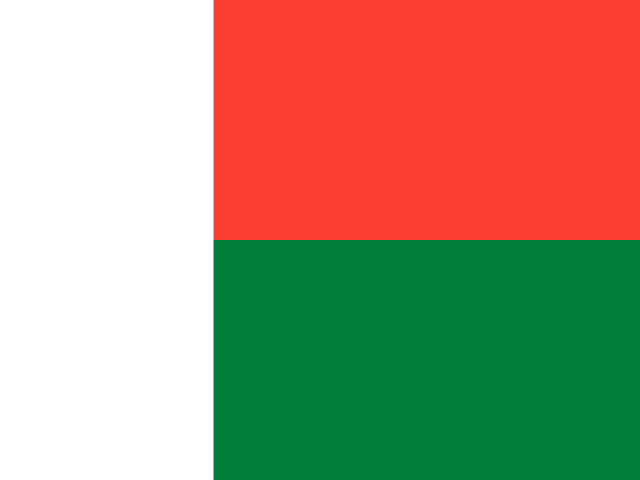 Madagascar Madagascar | Antananarivo | Eastern Africa |
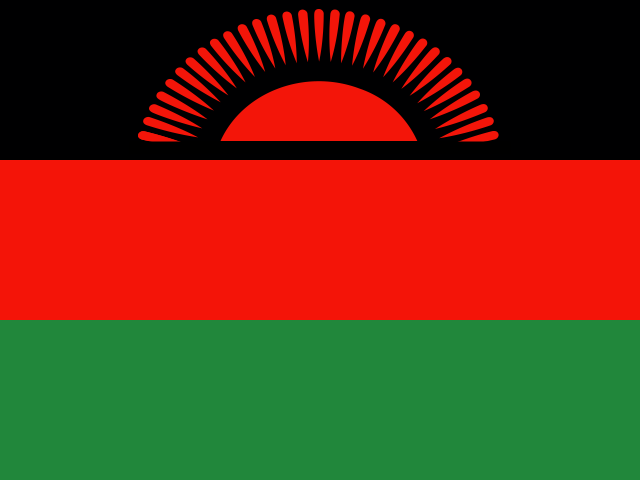 Malawi Malawi | Lilongwe | Eastern Africa |
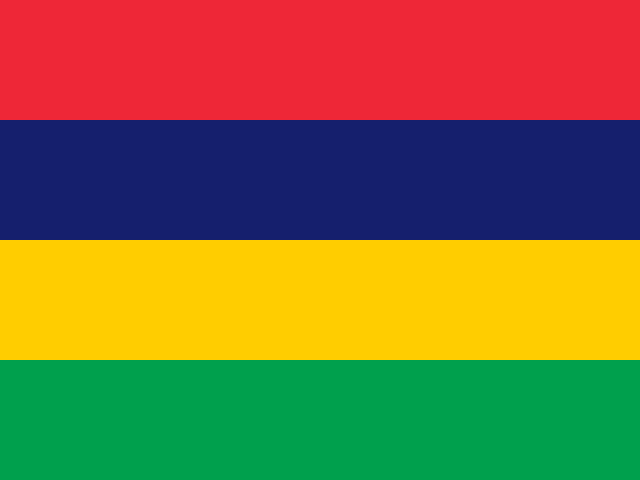 Mauritius Mauritius | Port Louis | Eastern Africa |
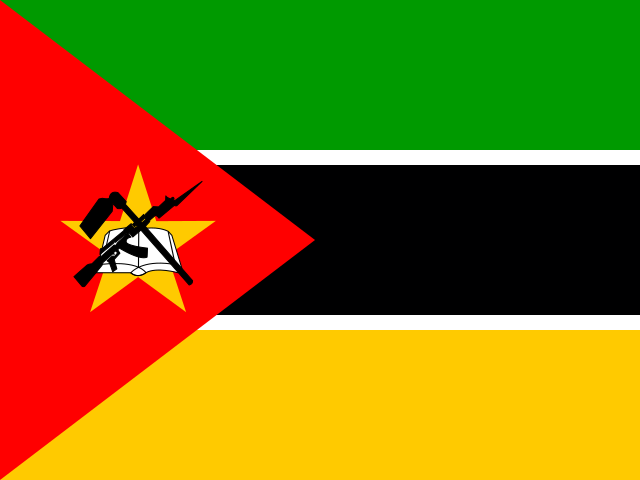 Mozambique Mozambique | Maputo | Eastern Africa |
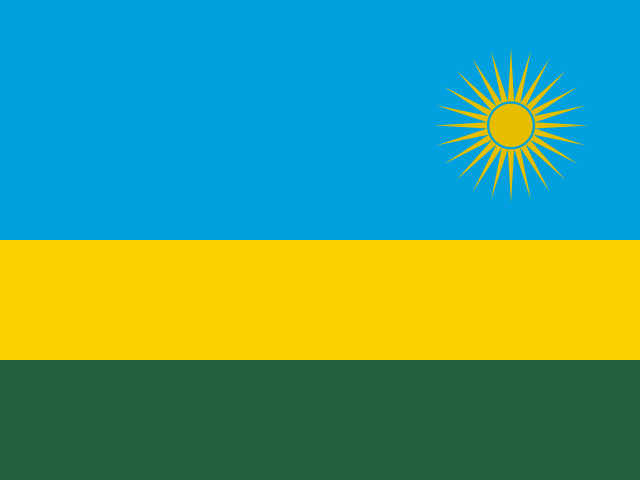 Rwanda Rwanda | Kigali | Eastern Africa |
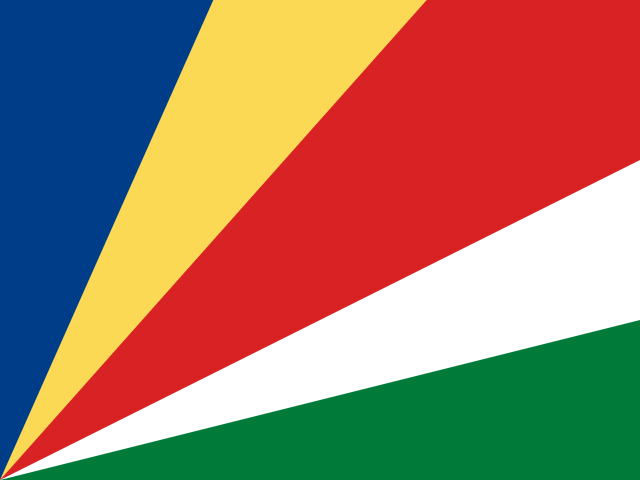 Seychelles Seychelles | Victoria | Eastern Africa |
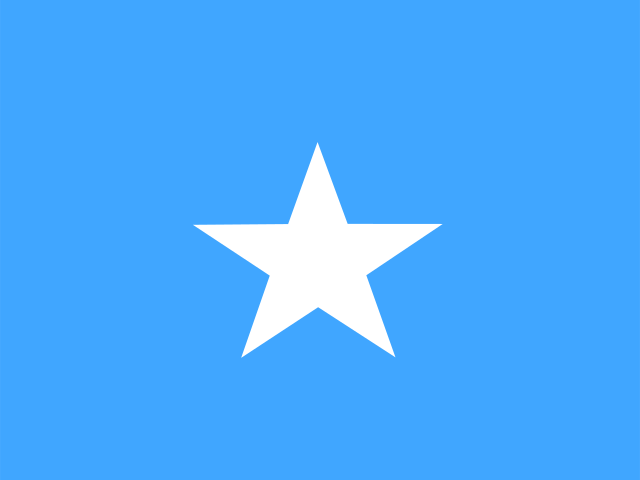 Somalia Somalia | Mogadishu | Eastern Africa |
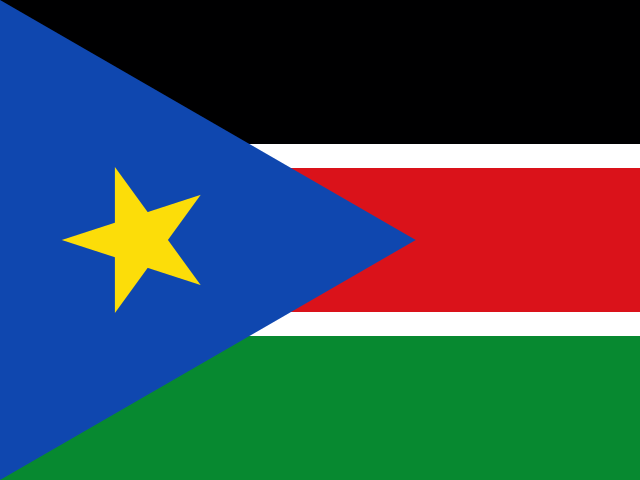 South Sudan South Sudan | Juba | Eastern Africa |
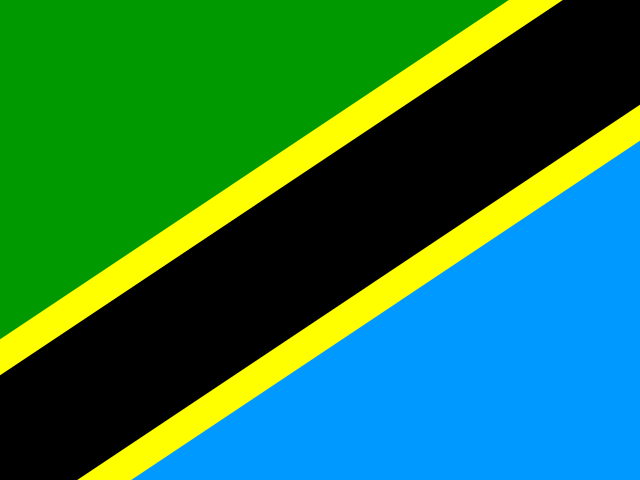 Tanzania Tanzania | Dodoma | Eastern Africa |
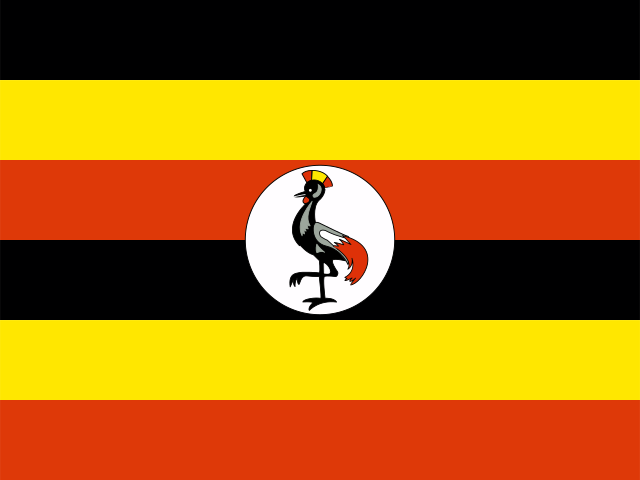 Uganda Uganda | Kampala | Eastern Africa |
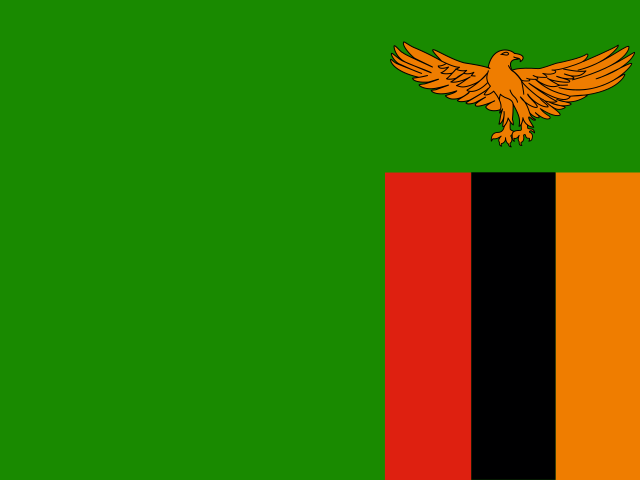 Zambia Zambia | Lusaka | Eastern Africa |
 Zimbabwe Zimbabwe | Harare | Eastern Africa |
 Botswana Botswana | Gaborone | Southern Africa |
 Eswatini Eswatini | Mbabane (Lobamba is the legislative capital) | Southern Africa |
 Lesotho Lesotho | Maseru | Southern Africa |
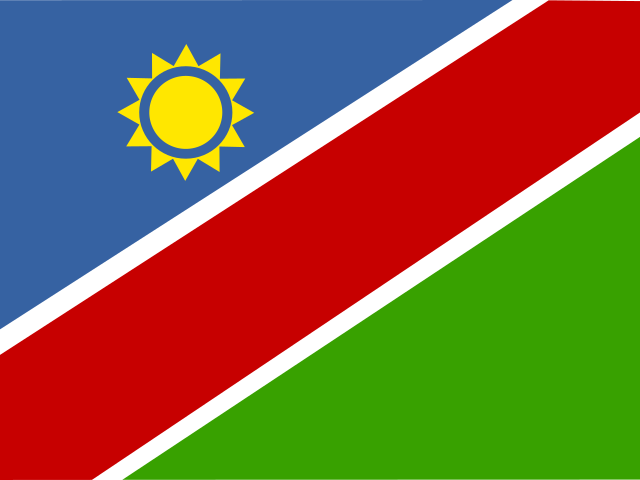 Namibia Namibia | Windhoek | Southern Africa |
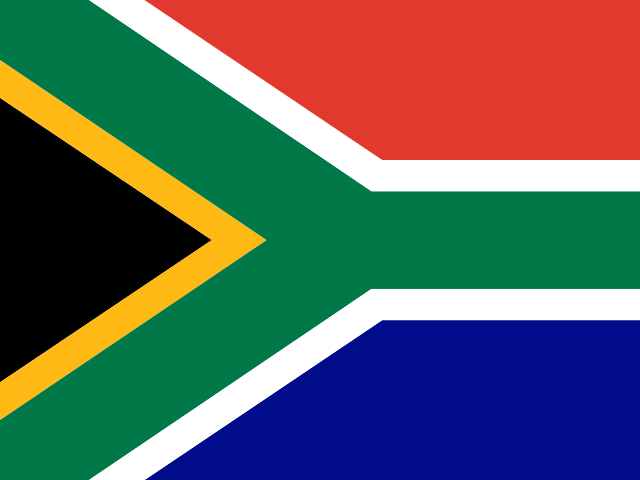 South Africa South Africa | Pretoria (executive; Cape Town legislative, Bloemfontein judicial) | Southern Africa |
Largest, smallest, and youngest
By land area, Algeria is Africa's largest country at roughly 2.4 million square kilometers, more than four times the size of metropolitan France. By population, Nigeria leads the continent by a wide margin, with about 238 million people in 2025 according to UN estimates, more than double the next largest population. Seychelles, an archipelago nation off the East African coast, is the smallest African country by population, at well under 150,000 people. Africa's youngest country is South Sudan, which declared independence from Sudan on 9 July 2011 and joined the United Nations five days later, becoming the continent's 54th and the world's 193rd member state.
Quick facts
- Africa has 54 UN member states, following the UN's own geographic classification.
- Western Sahara, an African Union member, is not recognized by the UN as a sovereign state, which is why AU counts run to 55.
- Algeria is the largest African country by area; Nigeria is the most populous.
- Seychelles is the smallest African country by population.
- South Sudan, independent since 2011, is both Africa's and the world's youngest country.