Why capitals are hard, and why they are not
195 capitals sounds like a lot, but most of them are not the problem. A good share are guessable from the country’s name, many more are the biggest city you have already heard of, and the rest fall into a few patterns. The difficulty is concentrated in perhaps forty capitals: the trap capitals that are not the obvious city, and the lookalikes that blur together. A method that treats all 195 the same wastes most of its effort on the easy ones.
The other trap is recognition. Picking Canberra from four options feels like knowing it. Saying Canberra when someone asks for the capital of Australia is a different, harder skill, and it is the one you want. Everything below is built to train production, not recognition.
Capitals trainer
0 of 0 clear
Your map of Europe
Rate each card honestly: New if you had no idea, Hazy if you half knew it, Clear if it came straight away. New cards come back two cards later, Hazy ones four cards later, and Clear ones are done. Progress is kept in this browser only.
Step one: bank the capitals you already know
Start with the 14 capitals that carry their country’s name. They cost nothing and give each region a few fixed points:
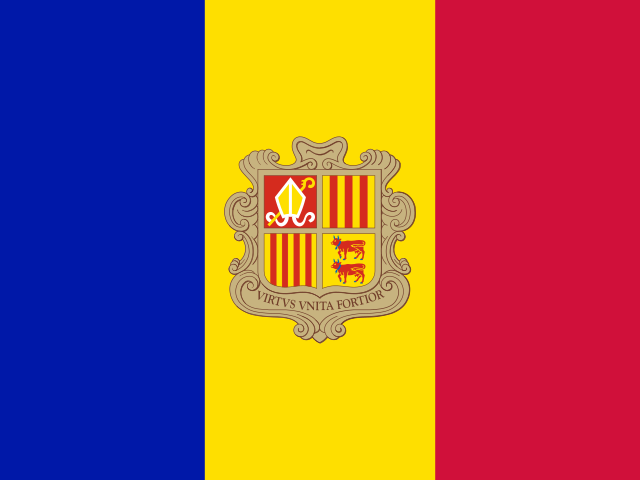 Andorra: Andorra la Vella
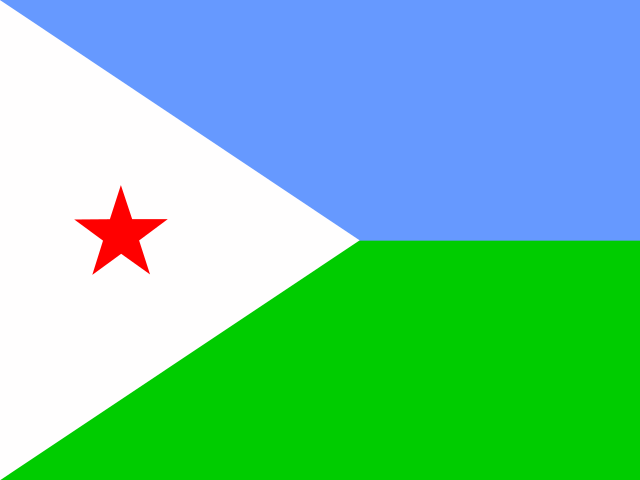 Djibouti: Djibouti
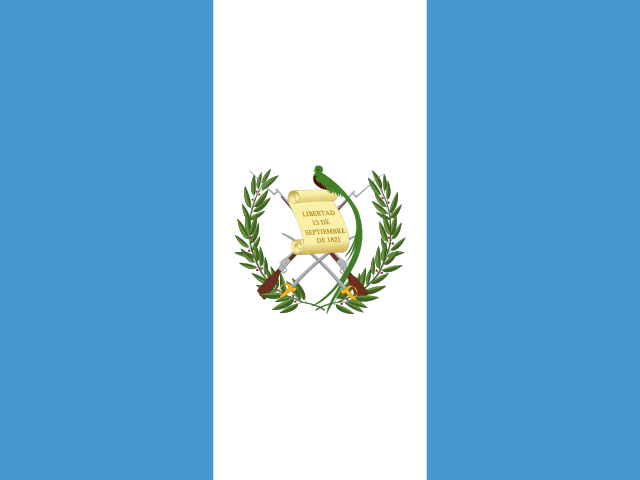 Guatemala: Guatemala City
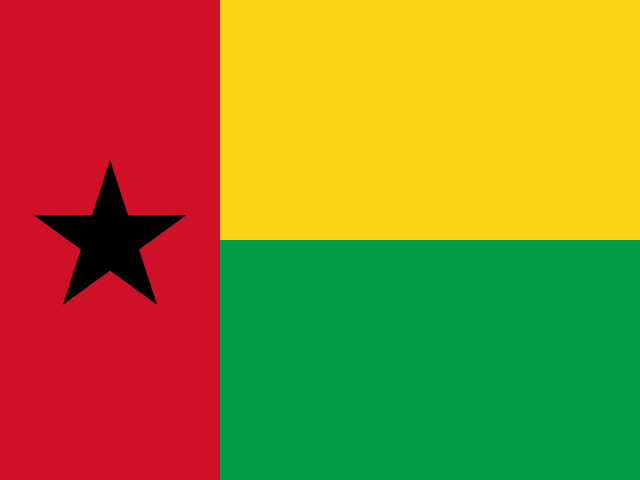 Guinea-Bissau: Bissau
 Kuwait: Kuwait City
 Luxembourg: Luxembourg
 Mexico: Mexico City
 Monaco: Monaco
 Panama: Panama City
 San Marino: San Marino
 Singapore: Singapore
 São Tomé and Príncipe: São Tomé
 Tunisia: Tunis
 Vatican City: Vatican City
Then add the ones you know from the news without trying: London, Paris, Tokyo, Cairo, Moscow, Beijing. Write your own list for a region before you study it. You will usually know a third of it already, and the remaining two thirds is what you actually need to learn.
Step two: learn the trap capitals as their own set
These are the capitals people get wrong, because the capital is not the city they have heard of. Do not scatter them through their regions. Learn them together, as one list, so that the pattern itself becomes the cue: when a country has a famous city, ask whether it is actually the capital.
| Country | Capital | Not | Why |
|---|---|---|---|
 Australia | Canberra | Sydney | Built as a compromise between rivals Sydney and Melbourne. |
 Canada | Ottawa | Toronto | Chosen in 1857, between English speaking Toronto and French speaking Montreal. |
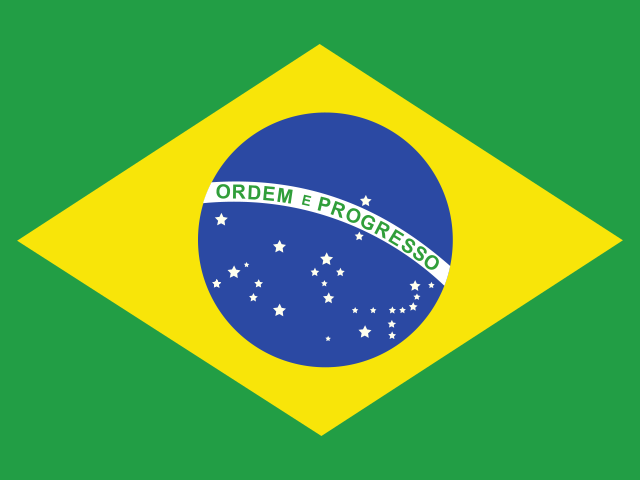 Brazil | Brasilia | Rio de Janeiro or São Paulo | Built from scratch on the inland plateau and opened in 1960 to pull the country away from the coast. |
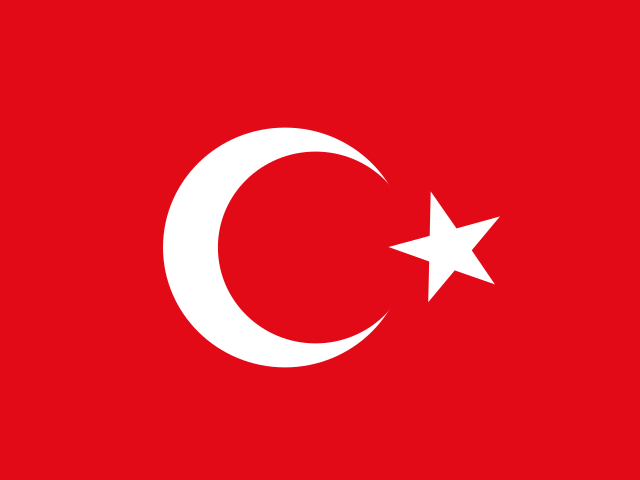 Türkiye | Ankara | Istanbul | Made capital of the new republic in 1923, away from the old imperial city. |
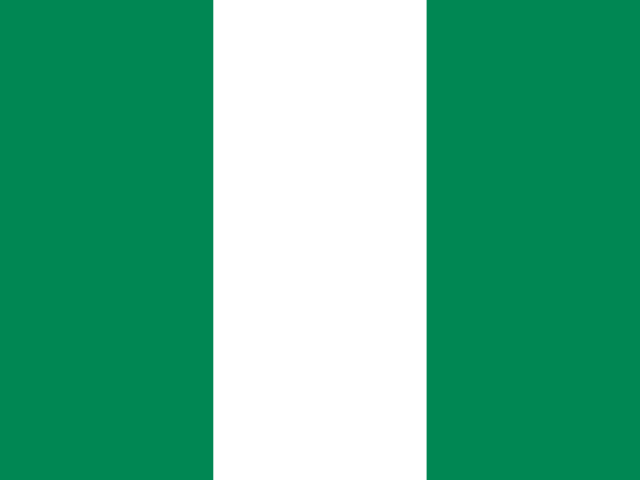 Nigeria | Abuja | Lagos | Replaced Lagos in 1991, from a site near the middle of the country. |
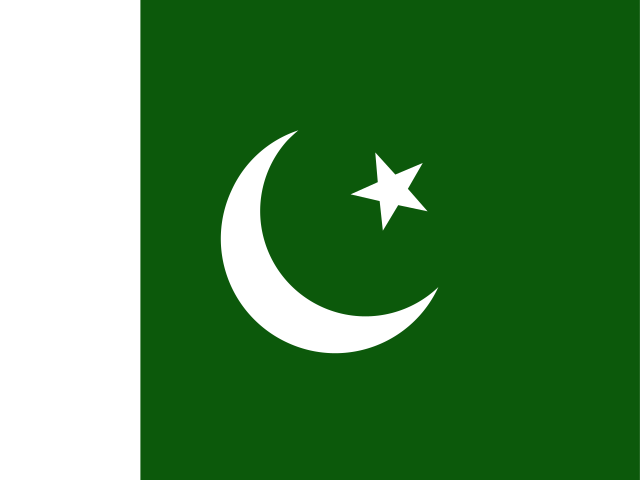 Pakistan | Islamabad | Karachi | Built in the 1960s as a new capital to replace Karachi. |
 Myanmar | Naypyidaw | Yangon | Built in the 2000s by the military government, which moved the capital out of Yangon. |
 Kazakhstan | Astana | Almaty | Replaced Almaty in 1997, and was called Nur-Sultan from 2019 to 2022. |
 United States | Washington, D.C. | New York | A federal district, created so that no state would hold the capital. |
 Switzerland | Bern | Zürich or Geneva | Bern is the federal city; Switzerland’s constitution names no capital at all. |
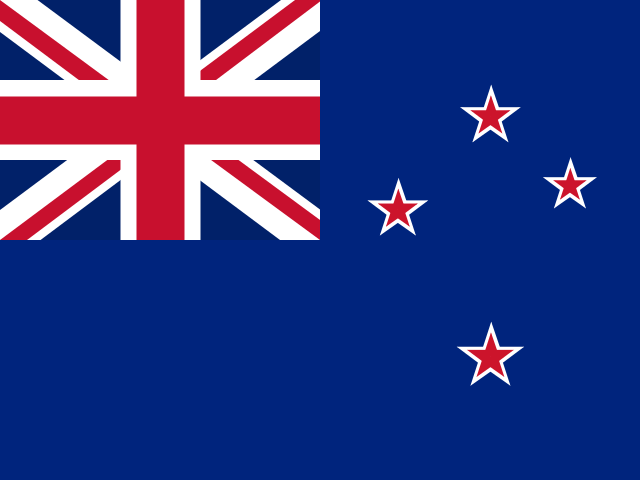 New Zealand | Wellington | Auckland | Took over from Auckland in 1865, partly for being central between the two main islands. |
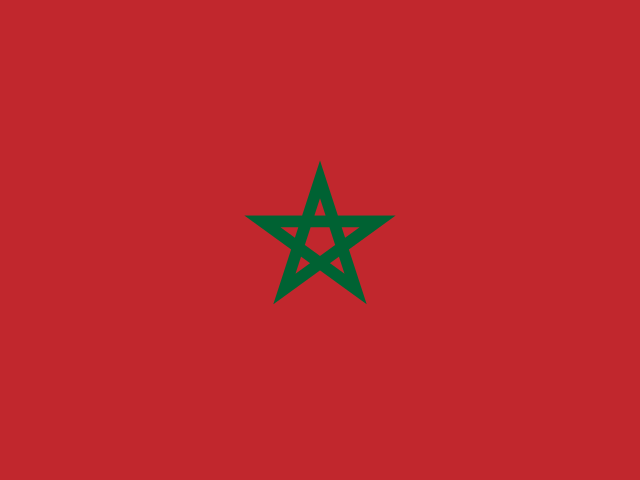 Morocco | Rabat | Casablanca | Rabat is the royal and political capital; Casablanca is the business city. |
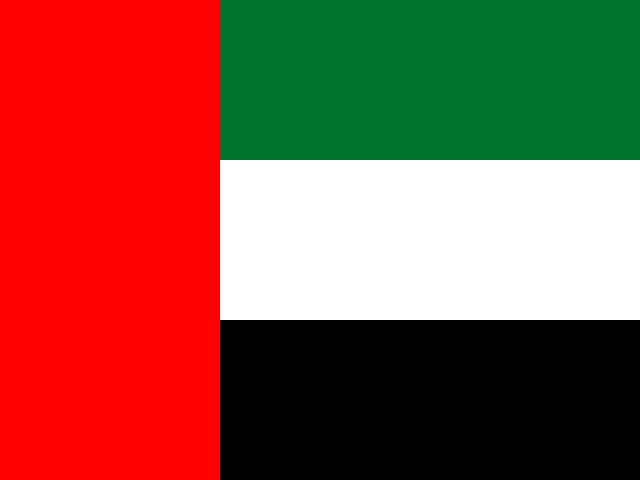 United Arab Emirates | Abu Dhabi | Dubai | Abu Dhabi is the largest emirate and holds the federal capital. |
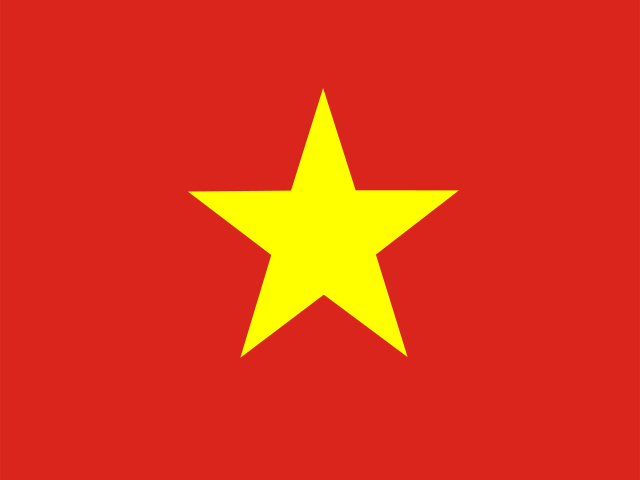 Vietnam | Hanoi | Ho Chi Minh City | Hanoi was the capital of the north; Ho Chi Minh City, once Saigon, was the south’s until 1975. |
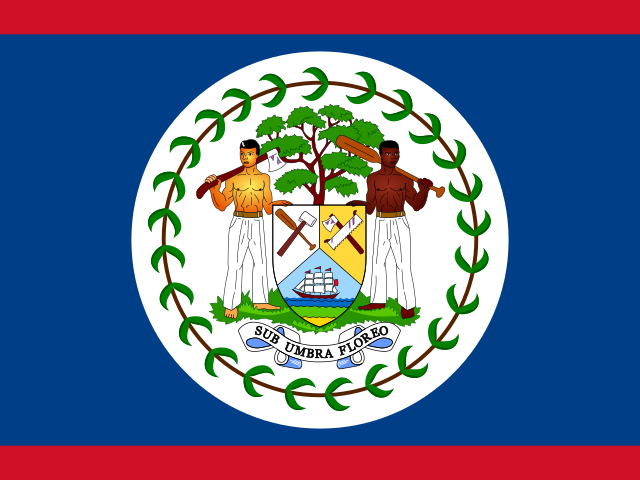 Belize | Belmopan | Belize City | Built inland after Hurricane Hattie wrecked Belize City in 1961. |
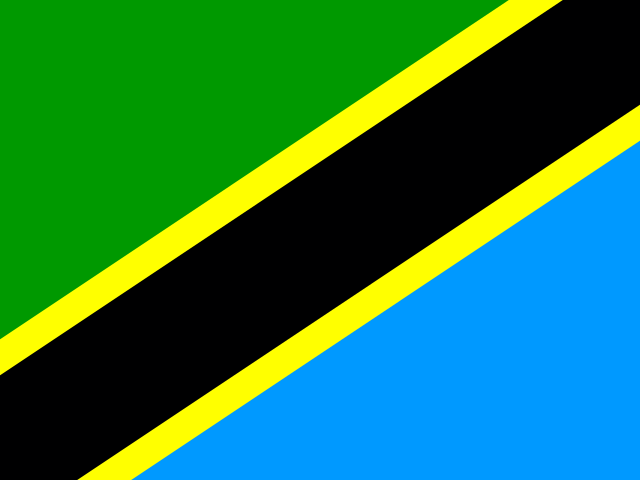 Tanzania | Dodoma | Dar es Salaam | Dodoma is the official capital; Dar es Salaam remains the largest city. |
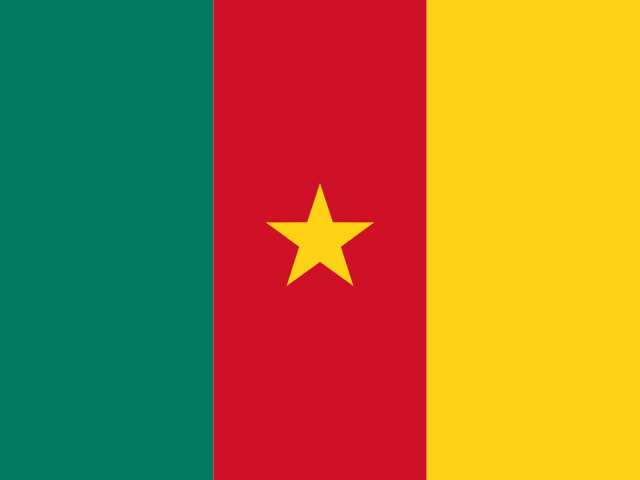 Cameroon | Yaounde | Douala | Yaoundé is the capital; Douala is the main port. |
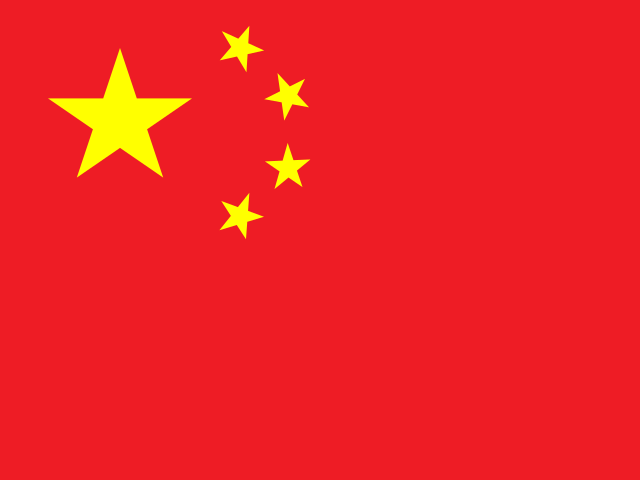 China | Beijing | Shanghai | Beijing is the capital; Shanghai is the bigger city. |
Notice how many were chosen or built on purpose: as a compromise between rivals, as a new start after independence or revolution, or to pull development inland. That is the reason to remember, and it is easier to keep than the word.
Step three: separate the lookalikes
Some capitals are hard because they sound alike, or because their countries do. Learn each group together, with the one fact that tells them apart.
The Danube capitals
Austria: Vienna, Slovakia: Bratislava, Hungary: Budapest, Serbia: Belgrade, Romania: Bucharest.
Vienna, Bratislava, Budapest and Belgrade all sit on the Danube, in that order downstream. Bucharest is the B capital that does not.
Three Sahel capitals beginning with N
Niger: Niamey, Mauritania: Nouakchott, Chad: N'Djamena.
Niamey is on the Niger, like the country’s name. Nouakchott is the one on the Atlantic coast. N’Djamena is the one with the apostrophe, where the Chari and Logone rivers meet.
The Baltic three
Estonia: Tallinn, Latvia: Riga, Lithuania: Vilnius.
North to south they run Tallinn, Riga, Vilnius: Estonia, Latvia, Lithuania, which is also alphabetical order.
The two Congos
Republic of the Congo: Brazzaville, Democratic Republic of the Congo: Kinshasa.
Brazzaville and Kinshasa face each other across the Congo River, the closest pair of capitals in the world after Rome and Vatican City. The smaller city belongs to the smaller country.
The three Guineas
Guinea: Conakry, Guinea-Bissau: Bissau, Equatorial Guinea: Malabo.
Guinea is Conakry. Guinea-Bissau gives its capital away in its name. Equatorial Guinea’s capital, Malabo, is on an island, Bioko.
The two Sudans
Sudan: Khartoum, South Sudan: Juba.
Khartoum stands where the Blue and White Nile meet. Juba, South Sudan’s capital, is further up the White Nile.
Step four: give every hard capital a reason
A name you can attach to something survives; a name on its own does not. For each capital that will not stick, find one fact that links it to its country: why it was chosen, what river it is on, what it used to be called. Brasília was built to move Brazil inland. Ulaanbaatar is the coldest national capital in the world. Astana has had four names since 1991. The fact does not need to be important, only true and vivid. This is also why capitals are easier after you know something about the country itself, and why the order on our guide to remembering every country is countries first, capitals second.
Step five: review on a widening schedule
Cramming works for a day. To keep capitals for good, review each one just before you would forget it: a missed capital tomorrow, a shaky one in a few days, a solid one in a week, then a month. That is spaced repetition, and the trainer above runs a compressed version of it. Here is a four week plan, largest region first while your energy is highest:
| Week | New region | Capitals | Review |
|---|---|---|---|
| 1 | Europe | 44 | none yet |
| 2 | Africa | 54 | Europe, twice |
| 3 | Asia | 48 | Europe and Africa, once each |
| 4 | The Americas and Oceania | 49 | everything, once; then test all 195 |
Counts follow the UN geoscheme used across this site, which files each of the 195 countries under one region.
Countries with more than one capital
Learn these deliberately rather than being ambushed by them. On our list, 6 countries name more than one capital, and several more split the capital from the seat of government or the largest city:
 Benin: Porto-Novo is the official capital; Cotonou is the seat of government.
 Bolivia: Sucre is the constitutional capital; La Paz is the seat of government.
 Burundi: Gitega became the political capital in 2019; Bujumbura remains the economic capital.
 Côte d'Ivoire: Yamoussoukro is the official capital; Abidjan is the seat of government and largest city.
 Eswatini: Mbabane is the administrative capital; Lobamba is the legislative and royal capital.
 Malaysia: Kuala Lumpur is the capital; Putrajaya is the federal administrative centre.
 Palestine: Capital status is disputed. Ramallah is the administrative seat; Palestine claims East Jerusalem as its capital.
 South Africa: Three capitals: Pretoria is the executive seat, Cape Town the legislative seat, and Bloemfontein the judicial seat.
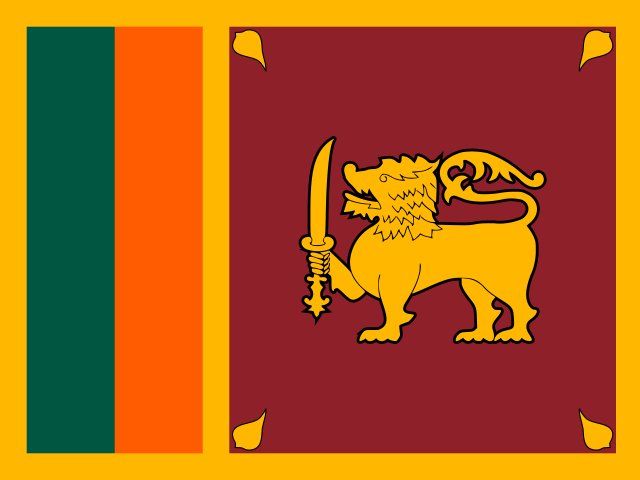 Sri Lanka: Sri Jayawardenepura Kotte is the legislative capital; Colombo is the commercial centre and executive seat.
- Tanzania: Dodoma is the official capital; Dar es Salaam remains the largest city and commercial centre.
Test production, not recognition
When a region feels solid, test it by typing, not choosing. The world capitals quiz has a typed mode and a region filter, and the printable capitals worksheets work for anyone who prefers paper. If you can write a region’s capitals on a blank sheet in two minutes, it is learned.
Quick facts
- 14 of the 195 capitals carry their country’s name, from Mexico City to Vatican City.
- 6 countries name more than one capital; South Africa names three.
- By region: Africa 54, Asia 48, Europe 44, North America 23, South America 12, Oceania 14.
- Brazzaville and Kinshasa are the closest pair of capitals in the world after Rome and Vatican City.