Vietnam is a country in Asia, in Southeast Asia, with about 101.6 million people (2025) and an area of 331,338 square kilometres. Its capital is Hanoi, and it shares land borders with 3 countries.
By Team Geography·Last reviewed
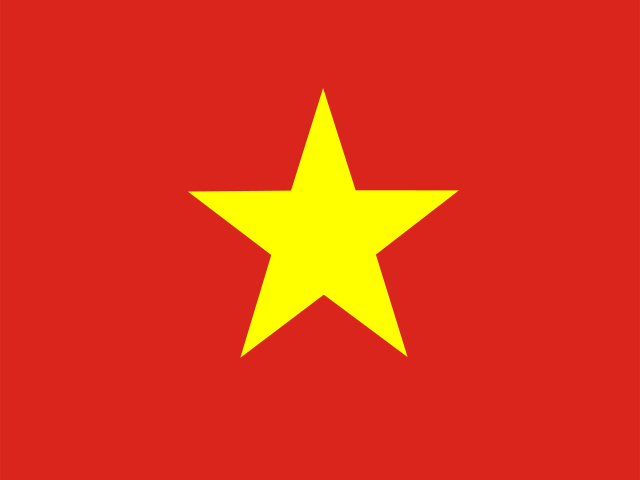
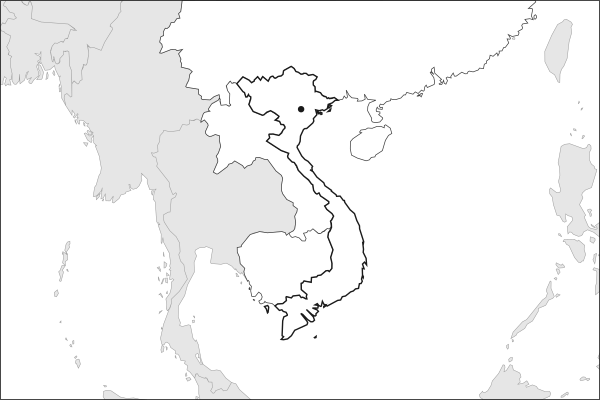
Flag of VietnamVietnam in solid, land neighbours outlined, capital marked.
The app teaches each country through short hand written lenses: PLACE for physical geography, STORY for history and identity, NOW for the news, and THREAD for the ties between countries. Here is one of Vietnam's 10, in full.
PLACELens 1 of 10
Two deltas held together by a mountain spine
Vietnam is two river civilizations joined by a narrow waist: the Red River delta around Hanoi and the Mekong delta below Ho Chi Minh City, with the Annamite Range running between them along the Laotian border. The southern delta grows more than half the national rice crop and averages 0.82 meters above sea level. It is sinking roughly a centimeter a year while dams upstream in China and Laos trap the sediment that once rebuilt it.
More on Annamite Range
The range runs about 1,100 kilometers along the Laos border and squeezes Vietnam to roughly fifty kilometers wide near Dong Hoi. Its forests were biologically unexplored until 1992, when scientists described the saola, a horned bovine unknown to science. The same terrain pushed the Ho Chi Minh Trail west into Laos and Cambodia.
9 more lenses on Vietnam in the app
PLACE Vietnam is long, thin, and strategically exposed to the sea
NOW Vietnam became one of the biggest beneficiaries of supply-chain diversification
STORY Vietnam's independence story runs centuries deep
THREAD Vietnam balances China without breaking from it
NOW Vietnam is building an electronics supply chain from the ground up
NOW A plateau that supplies the world's robusta
STORY Doi Moi kept the party, opened the market
STORY In Vietnam it is the American War
NOW Sixty-three provinces became thirty-four, and districts vanished
Titles only. The app brings each lens back on a spaced repetition schedule set by how well you knew it: New, Hazy or Clear.
Compare Vietnam with another country
Opens the country comparison tool with population, area, income and more side by side, every figure dated.
Common questions
What is the capital of Vietnam?
The capital of Vietnam is Hanoi. Hanoi lies at about 21.0 degrees north and 105.8 degrees east. Vietnam is in Asia, in the region often called Southeast Asia. It is home to about 101.6 million people. The world capitals quiz on this site tests every capital, and the printable capitals sheets cover each continent.
What is the population of Vietnam?
About 101.6 million people live in Vietnam, according to the World Bank figures for 2025. That makes it the 16th most populous of the 195 countries. With an area of 331,338 square kilometres, that is about 307 people per square kilometre.
What countries border Vietnam?
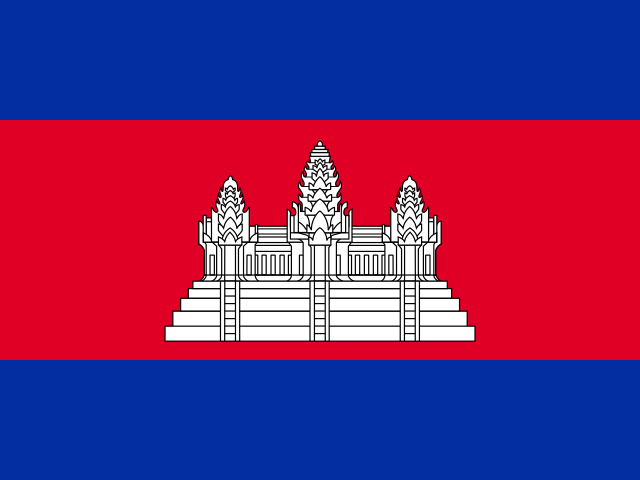
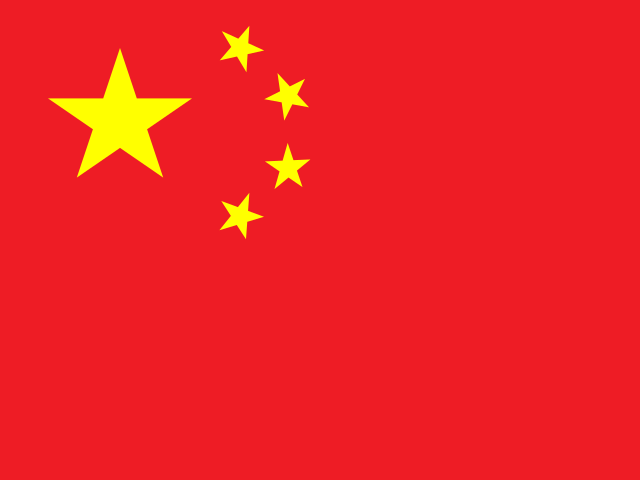
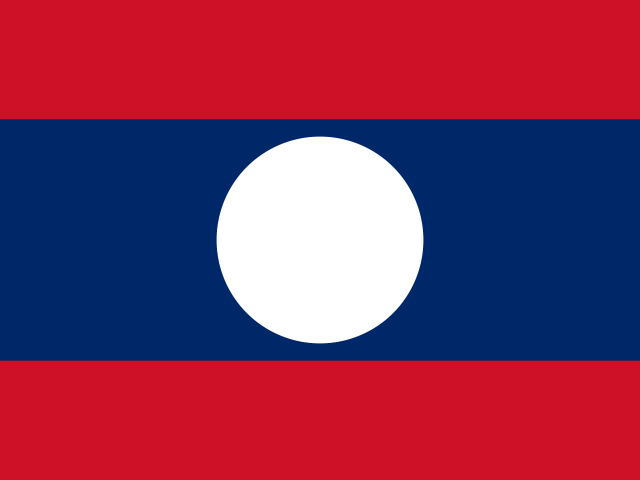
Vietnam shares land borders with 3 countries: Cambodia, China and Laos. The map on this page outlines each of them around Vietnam. The count includes only borders on land, not neighbours across a sea or a lake. Borders here follow Natural Earth at the 1:50 million scale, with Crimea shown as part of Ukraine and Western Sahara as a separate territory.
How big is Vietnam?
Vietnam covers 331,338 square kilometres, or about 127,930 square miles. That makes it the 66th largest of the 195 countries. The figure is total surface area, which includes inland water such as lakes and rivers. Its population of about 101.6 million gives a density of 307 people per square kilometre.
Vietnam is a country in Asia, in Southeast Asia, with about 101.6 million people (2025) and an area of 331,338 square kilometres. Its capital is Hanoi, and it shares land borders with 3 countries.
Capital
Hanoi
Continent
Asia
Region
Southeast Asia
Population
101,598,527 2025, World Bank. 16th of 195.
Area
331,338 km² (127,930 sq mi) World Bank, surface area. 66th largest of 195.
Population density
307 people per km²
Land neighbours
3: Cambodia, China, Laos
Official name
Socialist Republic of Vietnam
UN status
Member state
PLACE · from the Geography app
Two deltas held together by a mountain spine
Vietnam is two river civilizations joined by a narrow waist: the Red River delta around Hanoi and the Mekong delta below Ho Chi Minh City, with the Annamite Range running between them along the Laotian border. The southern delta grows more than half the national rice crop and averages 0.82 meters above sea level. It is sinking roughly a centimeter a year while dams upstream in China and Laos trap the sediment that once rebuilt it.
Keep going on your iPhone. Scan for Geography: the world, one country at a time, about five minutes a day. No quizzes and no streaks. playgeography.app/countries/vietnam/ · Map data: Natural Earth. Figures: World Bank and national sources, as listed on the page.
Geography · Country report
Vietnam
NameDate
Draw the flag
Colour Vietnam on the map, then fill in what you find.
Capital
Continent
Population
Area
Languages
Currency
Neighbours
Landmarks
Rivers or mountains
Three things I learned
1
2
3
One question I still have
?
Keep going on your iPhone. Scan for Geography: the world, one country at a time, about five minutes a day. No quizzes and no streaks. playgeography.app/countries/vietnam/ · Map data: Natural Earth. Figures: World Bank and national sources, as listed on the page.