Iraq is a country in Asia, in Middle East, with about 47 million people (2025) and an area of 435,050 square kilometres. Its capital is Baghdad, and it shares land borders with 6 countries.
By Team Geography·Last reviewed
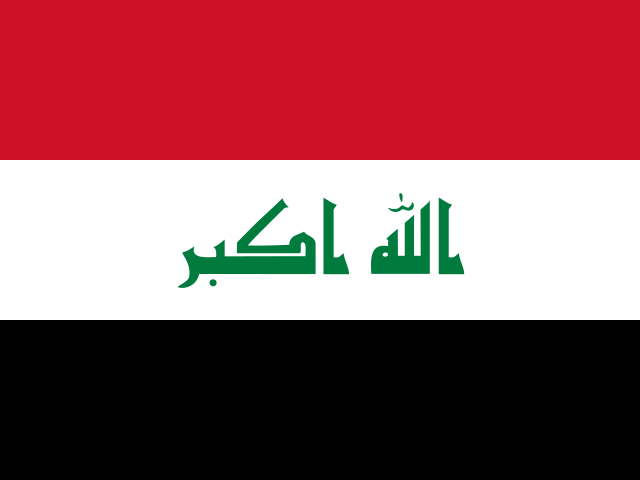
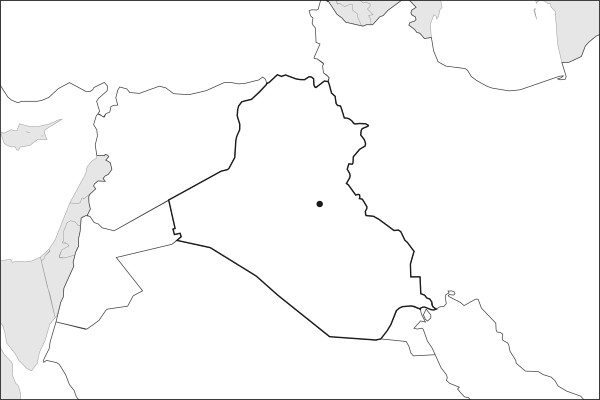
Flag of IraqIraq in solid, land neighbours outlined, capital marked.
The app teaches each country through short hand written lenses: PLACE for physical geography, STORY for history and identity, NOW for the news, and THREAD for the ties between countries. Here is one of Iraq's 17, in full.
PLACELens 1 of 17
Mesopotamia: where urbanization and writing began
Iraq sits between the Tigris and Euphrates rivers, the land the Greeks called Mesopotamia, "between the rivers." This is where the world's first cities emerged around 3500 BCE, where cuneiform writing was invented, and where codified law (Hammurabi's Code) first appeared. Modern Iraq occupies the same floodplain that generated civilization, but its contemporary borders were drawn by European diplomats, not by geography.
More on Hammurabi's Code
Created around 1750 BCE in Babylon (modern-day Iraq), it is one of the oldest known written legal codes. It established the principle that laws should be publicly known and consistently applied, ideas still foundational to legal systems.
16 more lenses on Iraq in the app
STORY Colonial borders merged communities into a state that has struggled with cohesion
STORY The 2003 invasion reshaped Iraq and the region for a generation
NOW Baghdad settles the security ministries last
THREAD Iraq is where Iranian, Turkish, Arab, and American interests collide
PLACE Mesopotamia, the land between two rivers
STORY A trophy that stopped a war's noise
NOW Forty years to arrive, three games to leave
THREAD The borders that shaped a team
PLACE From Kurdish peaks to Basra's heat
STORY A debut shadowed by a dictator's son
NOW A homegrown core, a borrowed coach
THREAD A team that played on borrowed soil
PLACE The marshes that were drained and refilled
NOW A country that burns gas and imports power
THREAD Iraq's rivers begin in other countries
PLACE Fifty-eight kilometers of coast for an oil state
Titles only. The app brings each lens back on a spaced repetition schedule set by how well you knew it: New, Hazy or Clear.
Compare Iraq with another country
Opens the country comparison tool with population, area, income and more side by side, every figure dated.
Common questions
What is the capital of Iraq?
The capital of Iraq is Baghdad. Baghdad lies at about 33.3 degrees north and 44.4 degrees east. Iraq is in Asia, in the region often called Middle East. It is home to about 47 million people. The world capitals quiz on this site tests every capital, and the printable capitals sheets cover each continent.
What is the population of Iraq?
About 47 million people live in Iraq, according to the World Bank figures for 2025. That makes it the 34th most populous of the 195 countries. With an area of 435,050 square kilometres, that is about 108 people per square kilometre.
What countries border Iraq?
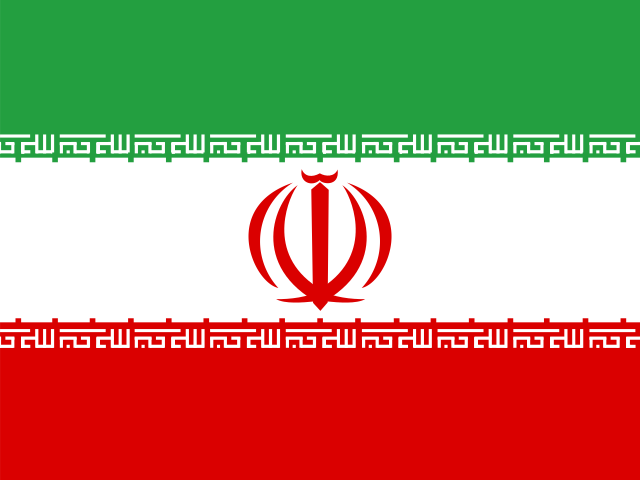
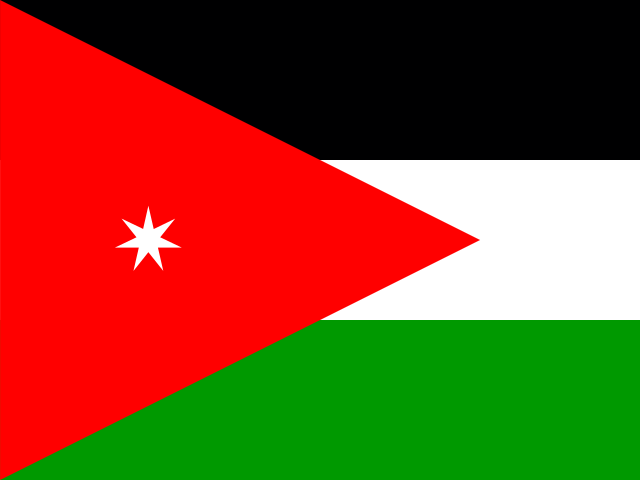
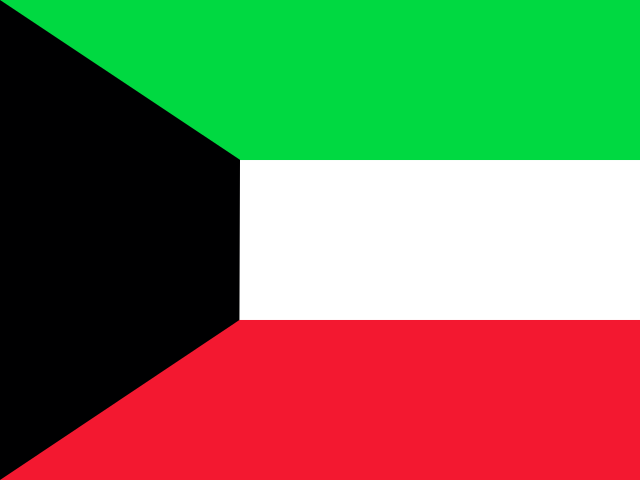
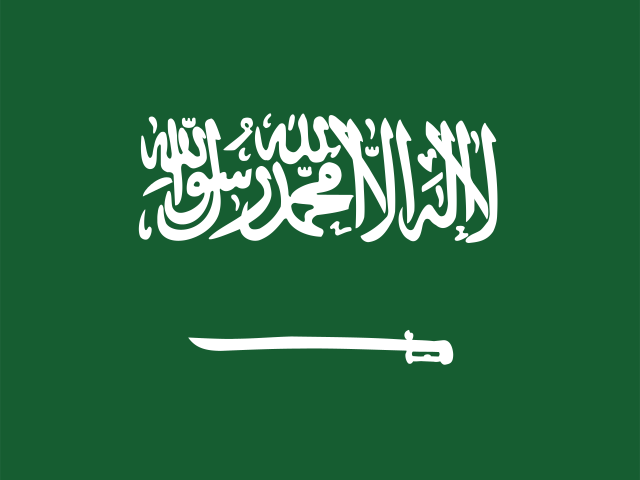
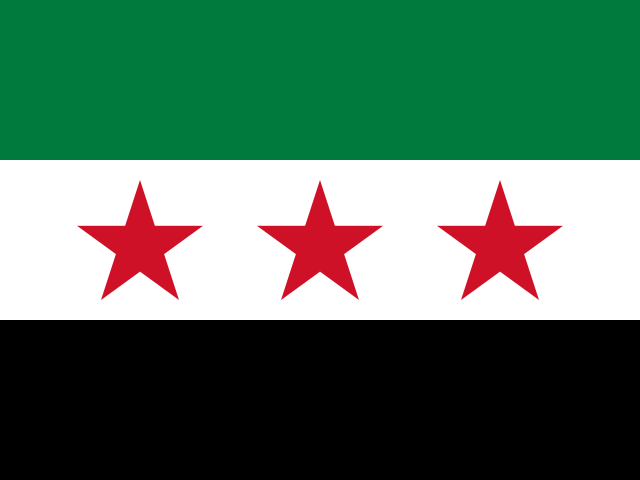
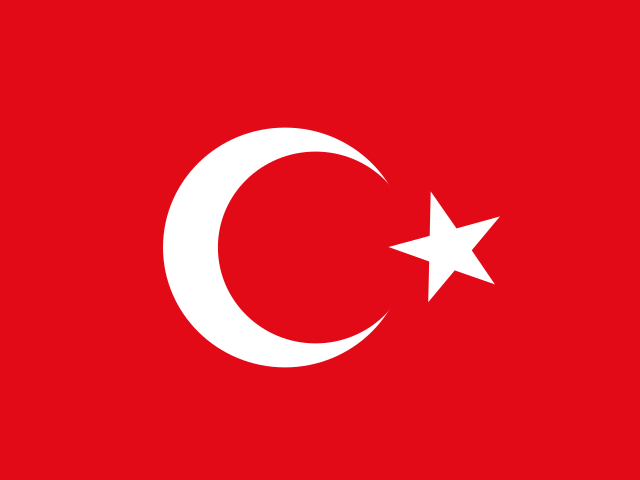
Iraq shares land borders with 6 countries: Iran, Jordan, Kuwait, Saudi Arabia, Syria and Türkiye. The map on this page outlines each of them around Iraq. The count includes only borders on land, not neighbours across a sea or a lake.
How big is Iraq?
Iraq covers 435,050 square kilometres, or about 167,974 square miles. That makes it the 59th largest of the 195 countries. The figure is total surface area, which includes inland water such as lakes and rivers. Its population of about 47 million gives a density of 108 people per square kilometre.
Iraq is a country in Asia, in Middle East, with about 47 million people (2025) and an area of 435,050 square kilometres. Its capital is Baghdad, and it shares land borders with 6 countries.
Capital
Baghdad
Continent
Asia
Region
Middle East
Population
47,020,774 2025, World Bank. 34th of 195.
Area
435,050 km² (167,974 sq mi) World Bank, surface area. 59th largest of 195.
Population density
108 people per km²
Land neighbours
6: Iran, Jordan, Kuwait, Saudi Arabia, Syria, Türkiye
Official name
Republic of Iraq
UN status
Member state
PLACE · from the Geography app
Mesopotamia: where urbanization and writing began
Iraq sits between the Tigris and Euphrates rivers, the land the Greeks called Mesopotamia, "between the rivers." This is where the world's first cities emerged around 3500 BCE, where cuneiform writing was invented, and where codified law (Hammurabi's Code) first appeared. Modern Iraq occupies the same floodplain that generated civilization, but its contemporary borders were drawn by European diplomats, not by geography.
Keep going on your iPhone. Scan for Geography: the world, one country at a time, about five minutes a day. No quizzes and no streaks. playgeography.app/countries/iraq/ · Map data: Natural Earth. Figures: World Bank and national sources, as listed on the page.
Geography · Country report
Iraq
NameDate
Draw the flag
Colour Iraq on the map, then fill in what you find.
Capital
Continent
Population
Area
Languages
Currency
Neighbours
Landmarks
Rivers or mountains
Three things I learned
1
2
3
One question I still have
?
Keep going on your iPhone. Scan for Geography: the world, one country at a time, about five minutes a day. No quizzes and no streaks. playgeography.app/countries/iraq/ · Map data: Natural Earth. Figures: World Bank and national sources, as listed on the page.