Kyrgyzstan is a country in Asia, in Central Asia, with about 7.34 million people (2025) and an area of 199,950 square kilometres. Its capital is Bishkek, and it shares land borders with 4 countries.
By Team Geography·Last reviewed
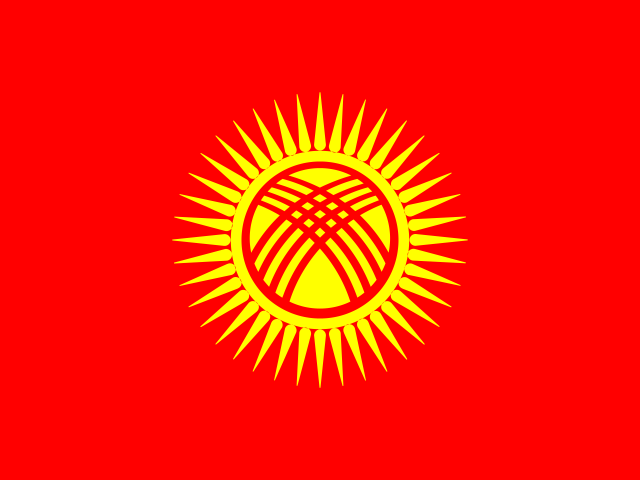
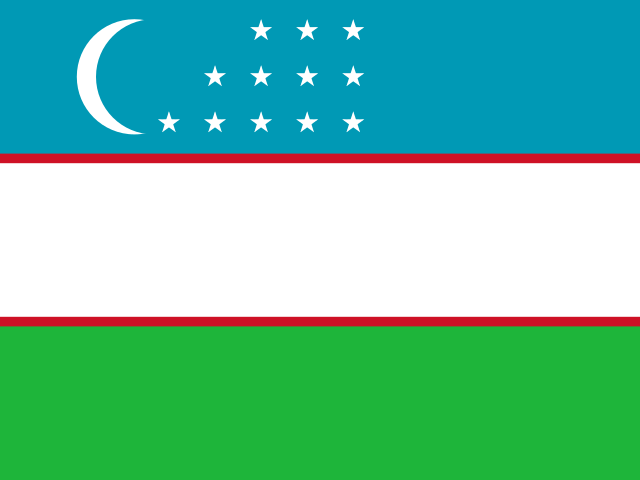
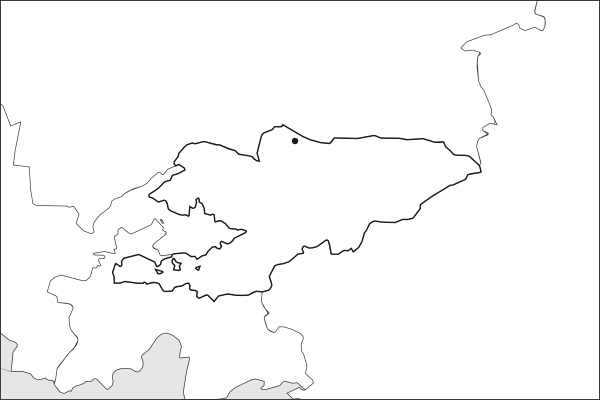
Flag of KyrgyzstanKyrgyzstan in solid, land neighbours outlined, capital marked.
The app teaches each country through short hand written lenses: PLACE for physical geography, STORY for history and identity, NOW for the news, and THREAD for the ties between countries. Here is one of Kyrgyzstan's 6, in full.
PLACELens 1 of 6
Kyrgyzstan is 94% mountains
The Tian Shan range dominates Kyrgyzstan; more than 40% of the country sits above 3,000 meters. Peaks reach over 7,000 meters along the Chinese border, and high-altitude pastures (jailoos) have supported nomadic herding for millennia. Lake Issyk-Kul, the world's second-largest alpine lake, sits in the northeast at 1,607 meters. Kyrgyzstan's mountains are both its identity and its isolation: spectacular to cross, expensive to build through, and punishing to govern across.
More on Lake Issyk-Kul
Issyk-Kul is the world's second-largest alpine lake (after Titicaca) and one of the deepest. Despite the surrounding mountains, it never freezes; its name means "warm lake" in Kyrgyz. It was a Soviet-era resort destination and remains the country's most popular holiday spot.
5 more lenses on Kyrgyzstan in the app
STORY Central Asia's most turbulent democracy
STORY The Epic of Manas is one of the longest literary works in human history
NOW Kyrgyzstan is becoming a sanctions-evasion corridor, and that is a problem
THREAD A small state squeezed between Russian security and Chinese investment
NOW The reservoir that sets everyone's planting season
Titles only. The app brings each lens back on a spaced repetition schedule set by how well you knew it: New, Hazy or Clear.
Compare Kyrgyzstan with another country
Opens the country comparison tool with population, area, income and more side by side, every figure dated.
Common questions
What is the capital of Kyrgyzstan?
The capital of Kyrgyzstan is Bishkek. Bishkek lies at about 42.9 degrees north and 74.6 degrees east. Kyrgyzstan is in Asia, in the region often called Central Asia. It is home to about 7.34 million people. The world capitals quiz on this site tests every capital, and the printable capitals sheets cover each continent.
What is the population of Kyrgyzstan?
About 7.34 million people live in Kyrgyzstan, according to the World Bank figures for 2025. That makes it the 105th most populous of the 195 countries. With an area of 199,950 square kilometres, that is about 37 people per square kilometre.
What countries border Kyrgyzstan?
Kyrgyzstan shares land borders with 4 countries: China, Kazakhstan, Tajikistan and Uzbekistan. The map on this page outlines each of them around Kyrgyzstan. The count includes only borders on land, not neighbours across a sea or a lake. Borders here follow Natural Earth at the 1:50 million scale, with Crimea shown as part of Ukraine and Western Sahara as a separate territory.
How big is Kyrgyzstan?
Kyrgyzstan covers 199,950 square kilometres, or about 77,201 square miles. That makes it the 85th largest of the 195 countries. The figure is total surface area, which includes inland water such as lakes and rivers. Its population of about 7.34 million gives a density of 37 people per square kilometre.
Kyrgyzstan is a country in Asia, in Central Asia, with about 7.34 million people (2025) and an area of 199,950 square kilometres. Its capital is Bishkek, and it shares land borders with 4 countries.
Capital
Bishkek
Continent
Asia
Region
Central Asia
Population
7,343,064 2025, World Bank. 105th of 195.
Area
199,950 km² (77,201 sq mi) World Bank, surface area. 85th largest of 195.
Population density
37 people per km²
Land neighbours
4: China, Kazakhstan, Tajikistan, Uzbekistan
Official name
Kyrgyz Republic
UN status
Member state
PLACE · from the Geography app
Kyrgyzstan is 94% mountains
The Tian Shan range dominates Kyrgyzstan; more than 40% of the country sits above 3,000 meters. Peaks reach over 7,000 meters along the Chinese border, and high-altitude pastures (jailoos) have supported nomadic herding for millennia. Lake Issyk-Kul, the world's second-largest alpine lake, sits in the northeast at 1,607 meters. Kyrgyzstan's mountains are both its identity and its isolation: spectacular to cross, expensive to build through, and punishing to govern across.
Keep going on your iPhone. Scan for Geography: the world, one country at a time, about five minutes a day. No quizzes and no streaks. playgeography.app/countries/kyrgyzstan/ · Map data: Natural Earth. Figures: World Bank and national sources, as listed on the page.
Geography · Country report
Kyrgyzstan
NameDate
Draw the flag
Colour Kyrgyzstan on the map, then fill in what you find.
Capital
Continent
Population
Area
Languages
Currency
Neighbours
Landmarks
Rivers or mountains
Three things I learned
1
2
3
One question I still have
?
Keep going on your iPhone. Scan for Geography: the world, one country at a time, about five minutes a day. No quizzes and no streaks. playgeography.app/countries/kyrgyzstan/ · Map data: Natural Earth. Figures: World Bank and national sources, as listed on the page.