Kazakhstan is a country in Asia, in Central Asia, with about 20.8 million people (2025) and an area of 2,724,902 square kilometres. Its capital is Astana, and it shares land borders with 5 countries.
By Team Geography·Last reviewed
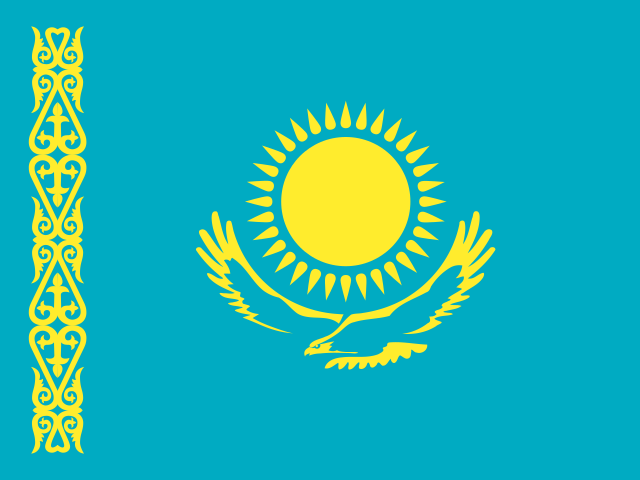
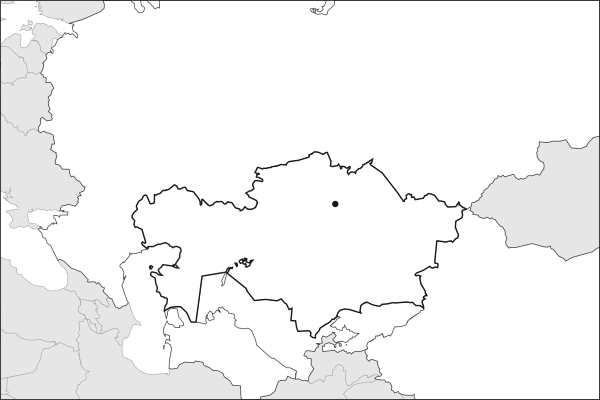
Flag of KazakhstanKazakhstan in solid, land neighbours outlined, capital marked.
The app teaches each country through short hand written lenses: PLACE for physical geography, STORY for history and identity, NOW for the news, and THREAD for the ties between countries. Here is one of Kazakhstan's 8, in full.
PLACELens 1 of 8
The largest landlocked country on Earth
Kazakhstan stretches from the Caspian Sea to the Chinese border, a territory the size of Western Europe with a population of only 20 million. The steppe dominates: vast, flat grassland that historically supported nomadic herders and now supports grain farming and oil extraction. No coastline means every export must cross a neighbor's territory, making Kazakhstan permanently dependent on diplomatic relationships with Russia, China, and the Central Asian states around it.
More on the size of Western Europe
Kazakhstan covers 2.7 million km², making it the ninth-largest country in the world. Its low population density, under 7 people per km², means most of that territory is effectively empty steppe, desert, or mountain.
7 more lenses on Kazakhstan in the app
PLACE Baikonur is where the Space Age began
STORY Kazakhstan spent three decades building a post-Soviet identity
NOW The nuclear energy revival makes Kazakhstan more important than ever
THREAD Kazakhstan balances Russia and China without fully aligning with either
PLACE A sea drained for cotton, partly returned
NOW Kazakh crude leaves through a Russian port
THREAD Changing an alphabet is a foreign policy
Titles only. The app brings each lens back on a spaced repetition schedule set by how well you knew it: New, Hazy or Clear.
Compare Kazakhstan with another country
Opens the country comparison tool with population, area, income and more side by side, every figure dated.
Common questions
What is the capital of Kazakhstan?
The capital of Kazakhstan is Astana. Placed in Asia here. A western strip beyond the Ural River is usually counted as Europe. Astana lies at about 51.2 degrees north and 71.4 degrees east. Kazakhstan is in Asia, in the region often called Central Asia.
What is the population of Kazakhstan?
About 20.8 million people live in Kazakhstan, according to the World Bank figures for 2025. That makes it the 64th most populous of the 195 countries. With an area of 2,724,902 square kilometres, that is about 7.6 people per square kilometre.
What countries border Kazakhstan?
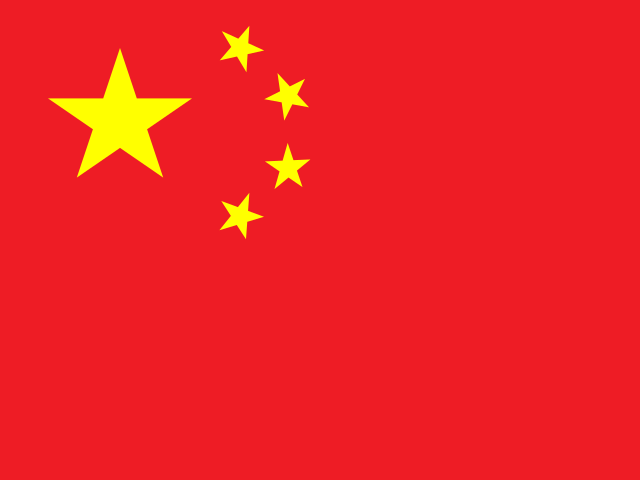
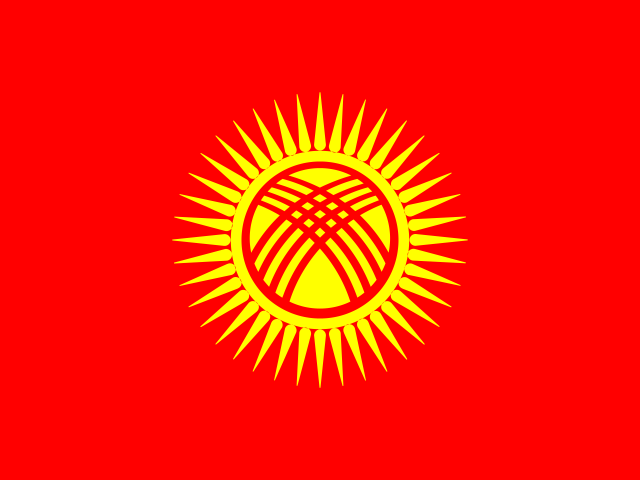
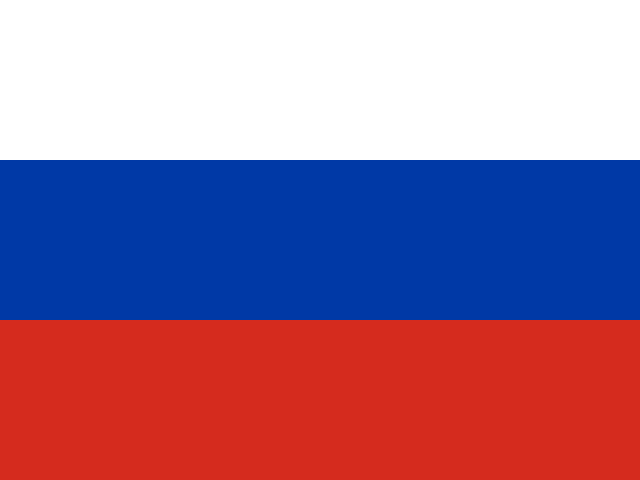
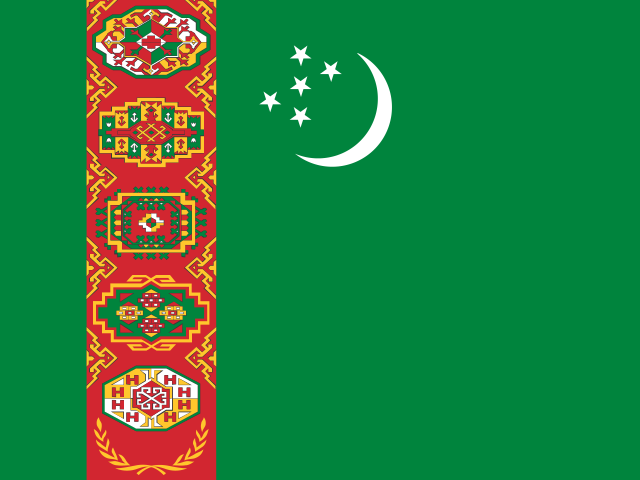
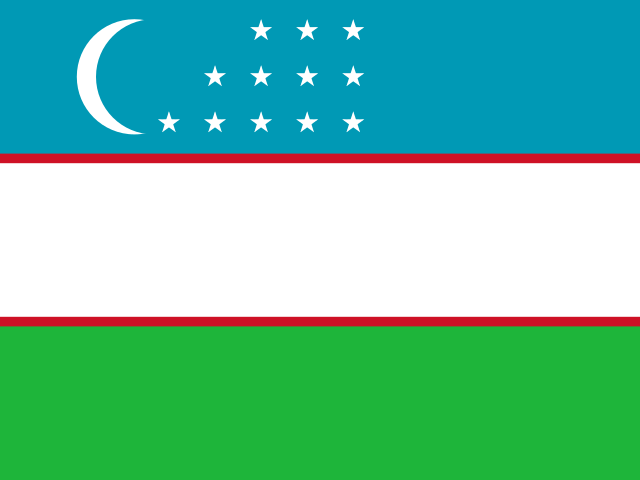
Kazakhstan shares land borders with 5 countries: China, Kyrgyzstan, Russia, Turkmenistan and Uzbekistan. The map on this page outlines each of them around Kazakhstan. The count includes only borders on land, not neighbours across a sea or a lake. Borders here follow Natural Earth at the 1:50 million scale, with Crimea shown as part of Ukraine and Western Sahara as a separate territory.
How big is Kazakhstan?
Kazakhstan covers 2,724,902 square kilometres, or about 1,052,090 square miles. That makes it the 9th largest of the 195 countries. The figure is total surface area, which includes inland water such as lakes and rivers. Its population of about 20.8 million gives a density of 7.6 people per square kilometre.
Kazakhstan is a country in Asia, in Central Asia, with about 20.8 million people (2025) and an area of 2,724,902 square kilometres. Its capital is Astana, and it shares land borders with 5 countries.
Capital
Astana
Continent
Asia
Region
Central Asia
Population
20,843,754 2025, World Bank. 64th of 195.
Area
2,724,902 km² (1,052,090 sq mi) World Bank, surface area. 9th largest of 195.
Kazakhstan stretches from the Caspian Sea to the Chinese border, a territory the size of Western Europe with a population of only 20 million. The steppe dominates: vast, flat grassland that historically supported nomadic herders and now supports grain farming and oil extraction. No coastline means every export must cross a neighbor's territory, making Kazakhstan permanently dependent on diplomatic relationships with Russia, China, and the Central Asian states around it.
Keep going on your iPhone. Scan for Geography: the world, one country at a time, about five minutes a day. No quizzes and no streaks. playgeography.app/countries/kazakhstan/ · Map data: Natural Earth. Figures: World Bank and national sources, as listed on the page.
Geography · Country report
Kazakhstan
NameDate
Draw the flag
Colour Kazakhstan on the map, then fill in what you find.
Capital
Continent
Population
Area
Languages
Currency
Neighbours
Landmarks
Rivers or mountains
Three things I learned
1
2
3
One question I still have
?
Keep going on your iPhone. Scan for Geography: the world, one country at a time, about five minutes a day. No quizzes and no streaks. playgeography.app/countries/kazakhstan/ · Map data: Natural Earth. Figures: World Bank and national sources, as listed on the page.