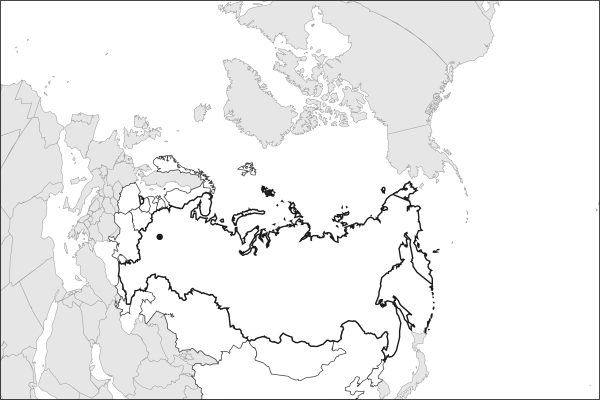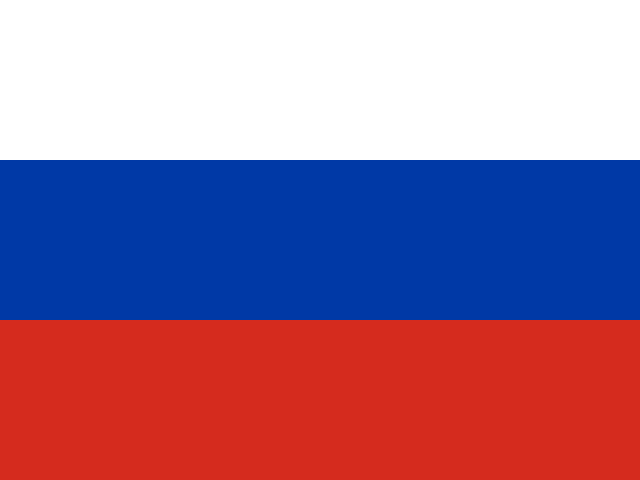
Key facts about Russia
| Capital | Moscow |
|---|---|
| Continent | Europe |
| Population | 143,513,328 2025, World Bank. 9th of 195. |
| Area | 17,125,190 km² (6,612,070 sq mi) World Bank, surface area. 1st largest of 195. |
| Population density | 8.4 people per km² |
| Land neighbours | 14: Azerbaijan, Belarus, China, Estonia, Finland, Georgia, Kazakhstan, Latvia, Lithuania, Mongolia, North Korea, Norway, Poland, UkraineLithuania and Poland border a part of Russia away from its main territory. |
| Official name | Russian Federation |
| UN status | Member state |
| Capital coordinates | 55.75° N, 37.61° E Moscow, Natural Earth. |
Land neighbours
Russia borders 14 countries on land. Each links to its own page.
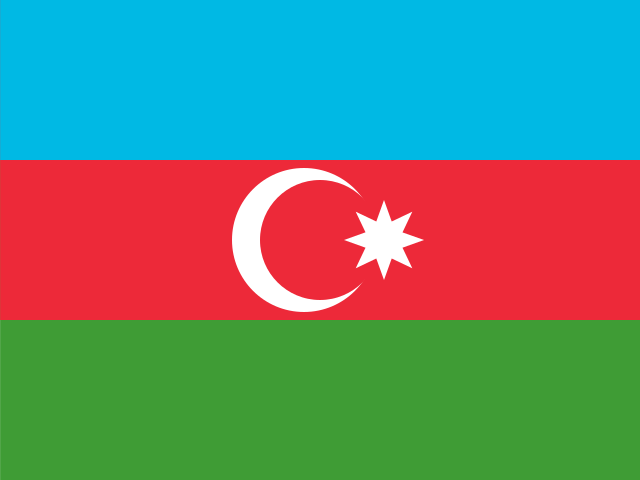 AzerbaijanBaku
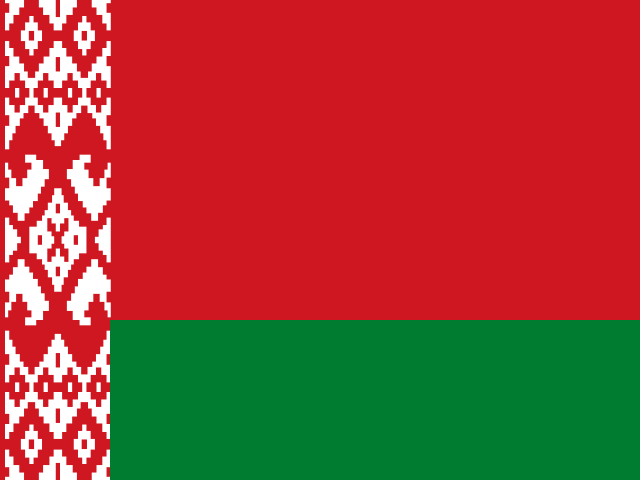 BelarusMinsk
 ChinaBeijing
 EstoniaTallinn
 FinlandHelsinki
 GeorgiaTbilisi
 KazakhstanAstana
 LatviaRiga
 LithuaniaVilnius
 MongoliaUlaanbaatar
 North KoreaPyongyang
 NorwayOslo
 PolandWarsaw
 UkraineKyiv
From the Geography app
The app teaches each country through short hand written lenses: PLACE for physical geography, STORY for history and identity, NOW for the news, and THREAD for the ties between countries. Here is one of Russia's 9, in full.
The largest country on Earth spans eleven time zones
Russia stretches from the Baltic Sea to the Pacific Ocean, covering more than 17 million square kilometers, nearly twice the size of Canada. It spans eleven time zones and touches Europe, Central Asia, and the Pacific Rim. But that scale is deceptive: much of Siberia is permafrost and boreal forest, inhospitable and sparsely settled. Russia's territory is its defining feature and its logistical burden.
More on eleven time zones
When it is morning in Kaliningrad on the Baltic, it is already evening in Kamchatka on the Pacific. This span creates administrative challenges that have shaped Russian governance, and imperial ambition, for centuries.
8 more lenses on Russia in the app
Titles only. The app brings each lens back on a spaced repetition schedule set by how well you knew it: New, Hazy or Clear.
Compare Russia with another country
Opens the country comparison tool with population, area, income and more side by side, every figure dated.