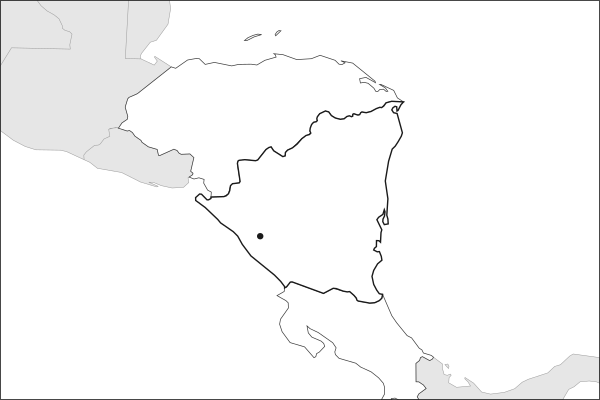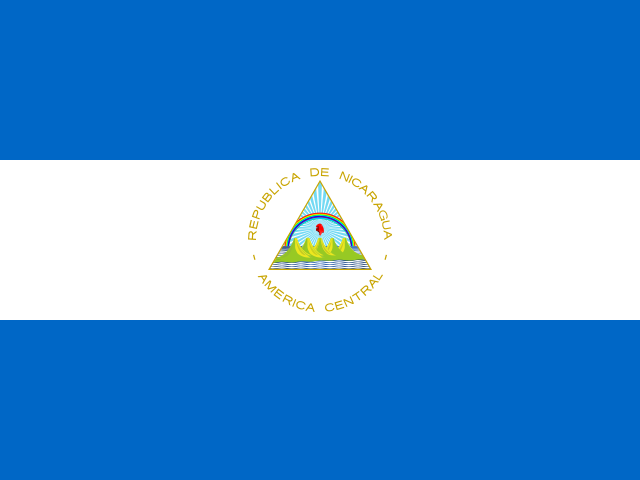
Key facts about Nicaragua
| Capital | Managua |
|---|---|
| Continent | North America |
| Region | Central America and the Caribbean |
| Population | 7,007,502 2025, World Bank. 107th of 195. |
| Area | 130,370 km² (50,336 sq mi) World Bank, surface area. 97th largest of 195. |
| Population density | 54 people per km² |
| Land neighbours | 2: Costa Rica, Honduras |
| Official name | Republic of Nicaragua |
| UN status | Member state |
| Capital coordinates | 12.15° N, 86.27° W Managua, Natural Earth. |
Land neighbours
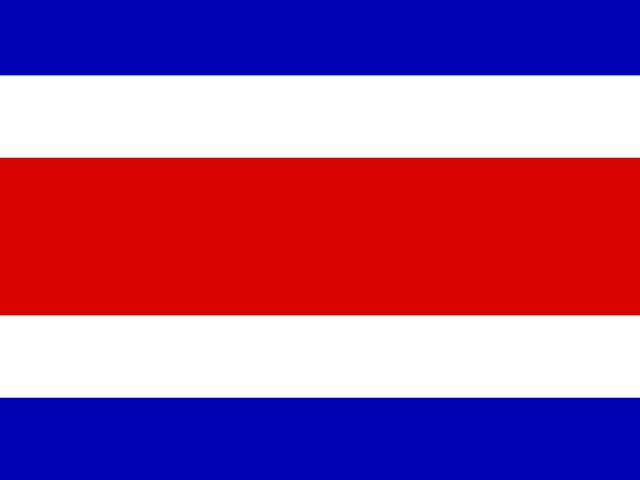
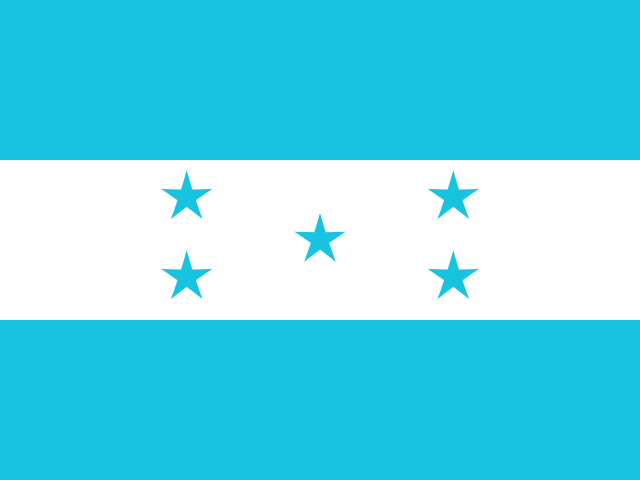
Nicaragua borders 2 countries on land. Each links to its own page.
From the Geography app
The app teaches each country through short hand written lenses: PLACE for physical geography, STORY for history and identity, NOW for the news, and THREAD for the ties between countries. Here is one of Nicaragua's 5, in full.
The largest country in Central America, split by a great lake
Nicaragua covers 130,373 square kilometers, the largest country in Central America. Lake Nicaragua, at 8,264 square kilometers, is the biggest lake in Central America and one of the few freshwater lakes in the world that contains bull sharks. A chain of active volcanoes runs along the Pacific side, and the sparsely populated Caribbean lowlands, known as the Mosquito Coast, account for over half the country's territory but hold less than 15% of its population.
More on Mosquito Coast
The Caribbean lowlands of Nicaragua, named after the Indigenous Miskitu people rather than the insect. The region was a British protectorate until the late 19th century and retains a distinct cultural identity, with English Creole, Miskitu, and other Indigenous languages spoken alongside Spanish.
4 more lenses on Nicaragua in the app
Titles only. The app brings each lens back on a spaced repetition schedule set by how well you knew it: New, Hazy or Clear.
Compare Nicaragua with another country
Opens the country comparison tool with population, area, income and more side by side, every figure dated.