Nigeria is a country in Africa, in West Africa, with about 237.5 million people (2025) and an area of 923,770 square kilometres. Its capital is Abuja, and it shares land borders with 4 countries.
By Team Geography·Last reviewed
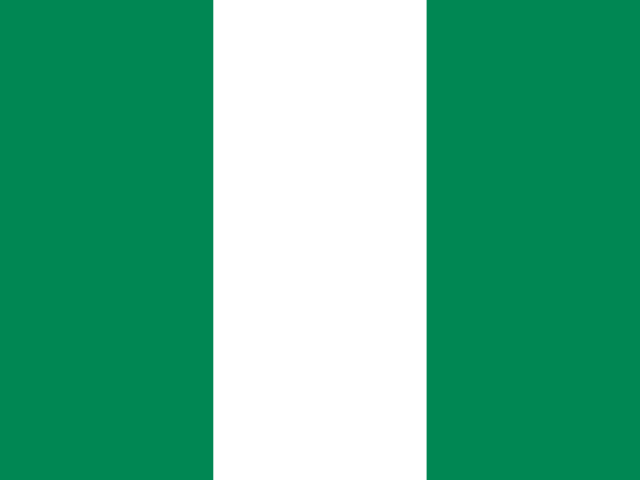
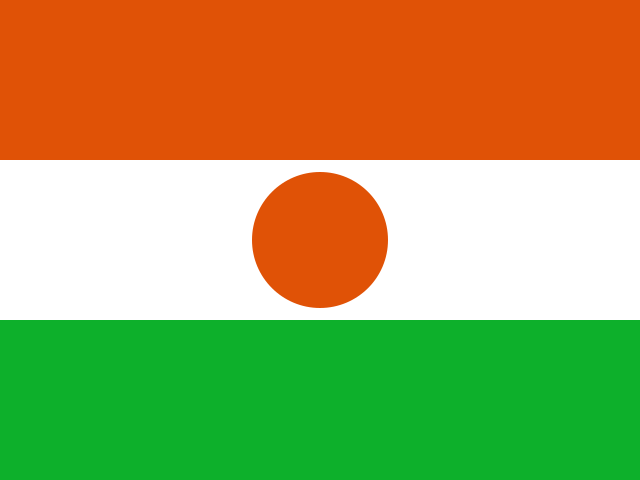
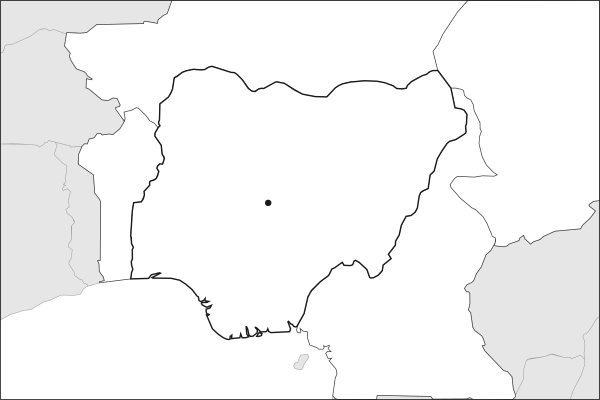
Flag of NigeriaNigeria in solid, land neighbours outlined, capital marked.
The app teaches each country through short hand written lenses: PLACE for physical geography, STORY for history and identity, NOW for the news, and THREAD for the ties between countries. Here is one of Nigeria's 11, in full.
PLACELens 1 of 11
The wetland that pays for everything else
The Niger Delta covers about 70,000 square kilometers of creeks, mangrove and tidal swamp, roughly seven percent of Nigeria's land, and holds nearly all of its oil. Some 31 million people from more than forty ethnic groups live on top of it. Oil supplies about two thirds of federal revenue while contributing under a tenth of GDP, so the state depends on a region whose own communities see spills, flared gas and little else.
More on flared gas
Burning off gas that arrives with crude is cheaper than building pipelines to collect it. Nigeria has set deadline after deadline to end the practice since the 1980s and missed each one. The flares run day and night, wasting a fuel the country imports substitutes for and lighting the delta sky bright enough to be visible from orbit.
10 more lenses on Nigeria in the app
PLACE Locating Nigeria
STORY One country, many nations inside it
STORY Nigeria as a cultural exporter
NOW Why Nigeria matters economically
THREAD Nigeria beyond its borders
PLACE Lagos is the megacity the rest of the world underestimates
NOW Nigerian fintech is rewriting Africa's financial map
NOW Nigeria stopped paying for cheap petrol
NOW Governing 240 million people on an estimate
THREAD The bloc Nigeria carries, and the three that left
Titles only. The app brings each lens back on a spaced repetition schedule set by how well you knew it: New, Hazy or Clear.
Compare Nigeria with another country
Opens the country comparison tool with population, area, income and more side by side, every figure dated.
Common questions
What is the capital of Nigeria?
The capital of Nigeria is Abuja. Abuja lies at about 9.1 degrees north and 7.5 degrees east. Nigeria is in Africa, in the region often called West Africa. It is home to about 237.5 million people. The world capitals quiz on this site tests every capital, and the printable capitals sheets cover each continent.
What is the population of Nigeria?
About 237.5 million people live in Nigeria, according to the World Bank figures for 2025. That makes it the 6th most populous of the 195 countries. With an area of 923,770 square kilometres, that is about 257 people per square kilometre.
What countries border Nigeria?
Nigeria shares land borders with 4 countries: Benin, Cameroon, Chad and Niger. The map on this page outlines each of them around Nigeria. The count includes only borders on land, not neighbours across a sea or a lake. Borders here follow Natural Earth at the 1:50 million scale, with Crimea shown as part of Ukraine and Western Sahara as a separate territory.
How big is Nigeria?
Nigeria covers 923,770 square kilometres, or about 356,669 square miles. That makes it the 31st largest of the 195 countries. The figure is total surface area, which includes inland water such as lakes and rivers. Its population of about 237.5 million gives a density of 257 people per square kilometre.
Nigeria is a country in Africa, in West Africa, with about 237.5 million people (2025) and an area of 923,770 square kilometres. Its capital is Abuja, and it shares land borders with 4 countries.
Capital
Abuja
Continent
Africa
Region
West Africa
Population
237,527,782 2025, World Bank. 6th of 195.
Area
923,770 km² (356,669 sq mi) World Bank, surface area. 31st largest of 195.
Population density
257 people per km²
Land neighbours
4: Benin, Cameroon, Chad, Niger
Official name
Federal Republic of Nigeria
UN status
Member state
PLACE · from the Geography app
The wetland that pays for everything else
The Niger Delta covers about 70,000 square kilometers of creeks, mangrove and tidal swamp, roughly seven percent of Nigeria's land, and holds nearly all of its oil. Some 31 million people from more than forty ethnic groups live on top of it. Oil supplies about two thirds of federal revenue while contributing under a tenth of GDP, so the state depends on a region whose own communities see spills, flared gas and little else.
Keep going on your iPhone. Scan for Geography: the world, one country at a time, about five minutes a day. No quizzes and no streaks. playgeography.app/countries/nigeria/ · Map data: Natural Earth. Figures: World Bank and national sources, as listed on the page.
Geography · Country report
Nigeria
NameDate
Draw the flag
Colour Nigeria on the map, then fill in what you find.
Capital
Continent
Population
Area
Languages
Currency
Neighbours
Landmarks
Rivers or mountains
Three things I learned
1
2
3
One question I still have
?
Keep going on your iPhone. Scan for Geography: the world, one country at a time, about five minutes a day. No quizzes and no streaks. playgeography.app/countries/nigeria/ · Map data: Natural Earth. Figures: World Bank and national sources, as listed on the page.