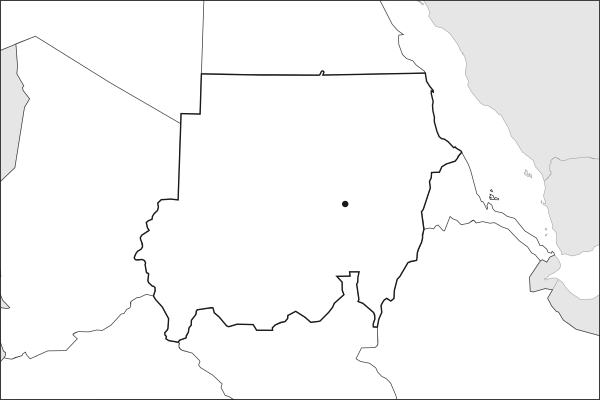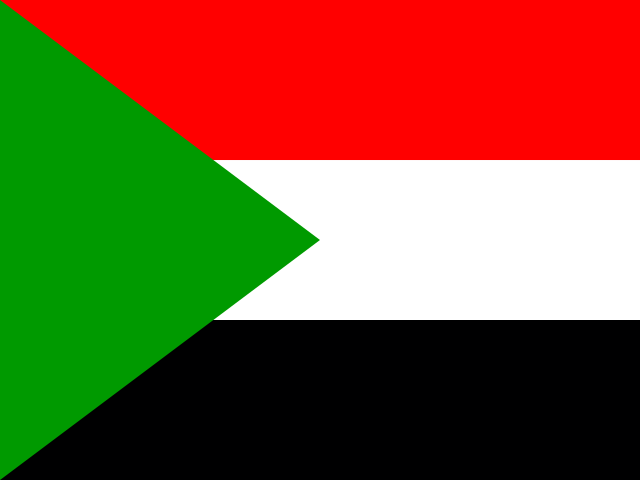
Key facts about Sudan
| Capital | Khartoum |
|---|---|
| Continent | Africa |
| Population | 51,662,147 2025, World Bank. 30th of 195. |
| Area | 1,878,000 km² (725,100 sq mi) World Bank, surface area. 15th largest of 195. |
| Population density | 28 people per km² |
| Land neighbours | 7: Central African Republic, Chad, Egypt, Eritrea, Ethiopia, Libya, South Sudan |
| Official name | Republic of the Sudan |
| UN status | Member state |
| Capital coordinates | 15.59° N, 32.53° E Khartoum, Natural Earth. |
Land neighbours
Sudan borders 7 countries on land. Each links to its own page.
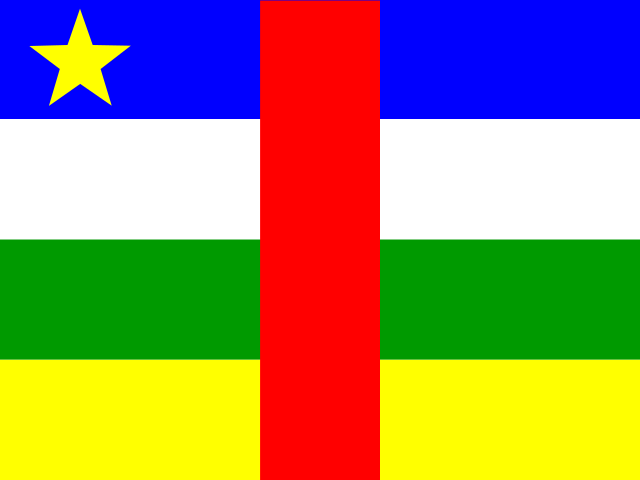 Central African RepublicBangui
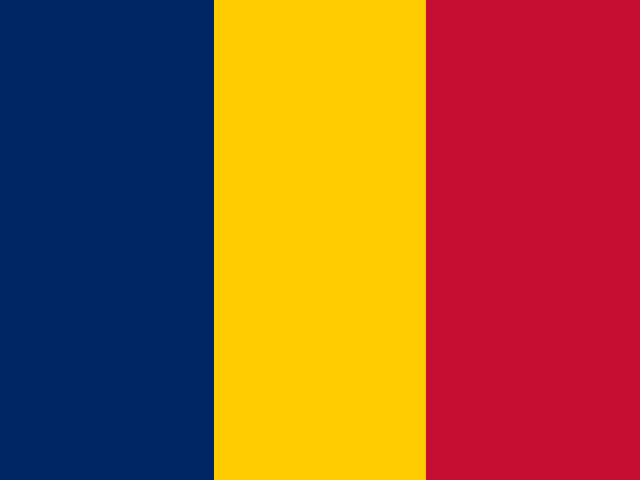 ChadN'Djamena
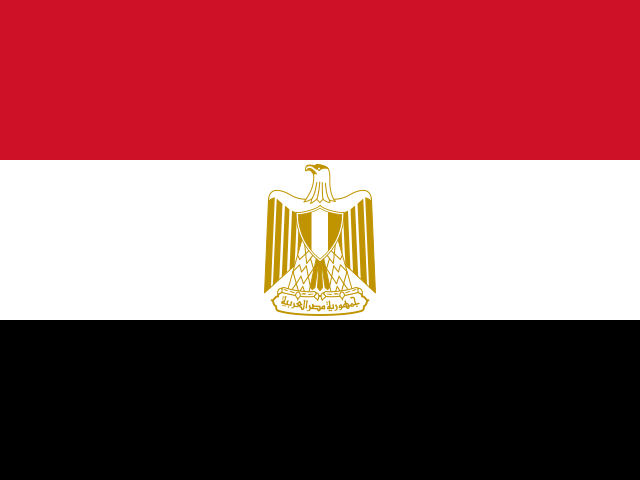 EgyptCairo
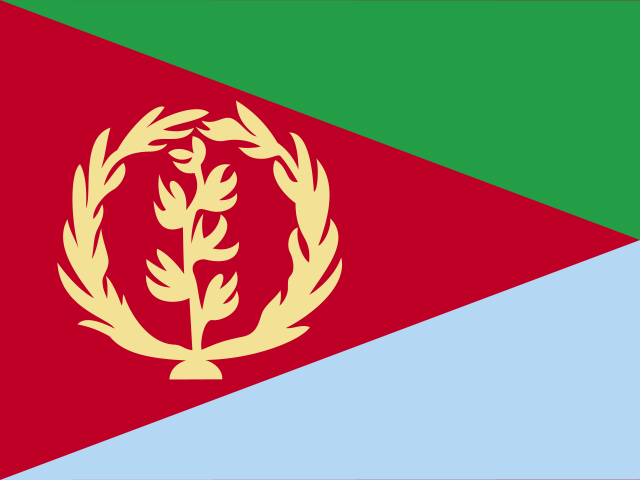 EritreaAsmara
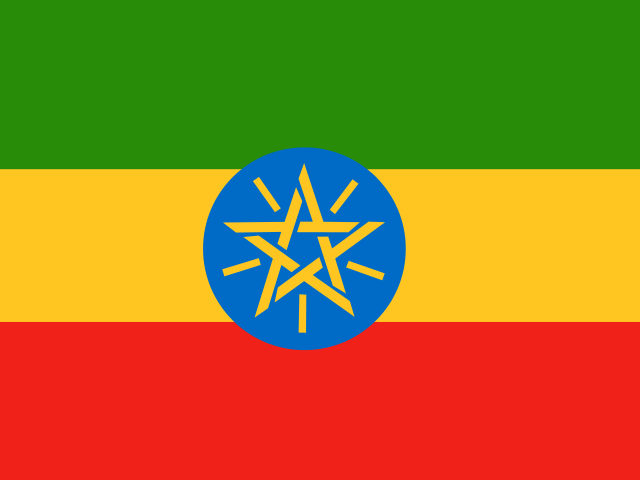 EthiopiaAddis Ababa
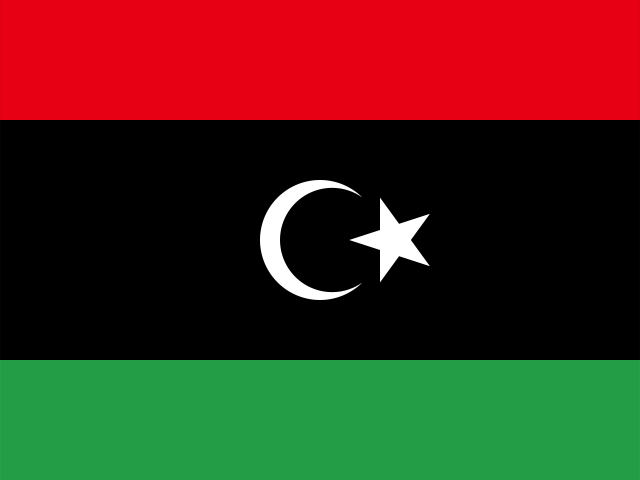 LibyaTripoli
 South SudanJuba
From the Geography app
The app teaches each country through short hand written lenses: PLACE for physical geography, STORY for history and identity, NOW for the news, and THREAD for the ties between countries. Here is one of Sudan's 5, in full.
Two rivers meet at Khartoum and become the Nile
Sudan is Africa's third-largest country by area, running from the Nubian Desert on the Egyptian border to tropical savanna in the south. At Khartoum the Blue Nile, carrying water from Ethiopia's Lake Tana, meets the White Nile, arriving from the Great Lakes region, and the combined river turns north for Egypt. West of that line lies the vast Darfur plateau; to the east, the Red Sea Hills descend to a narrow coastal strip of coral reefs and mangroves.
More on Blue Nile
Rising from Lake Tana in the Ethiopian Highlands, the Blue Nile contributes roughly 80% of the Nile's total water volume during the annual flood season. Ethiopia's Grand Renaissance Dam, inaugurated in September 2025, has become a major source of tension with both Sudan and Egypt over downstream water flows.
4 more lenses on Sudan in the app
Titles only. The app brings each lens back on a spaced repetition schedule set by how well you knew it: New, Hazy or Clear.
Compare Sudan with another country
Opens the country comparison tool with population, area, income and more side by side, every figure dated.