Ethiopia is a country in Africa, in East Africa, with about 135.5 million people (2025) and an area of 1,136,240 square kilometres. Its capital is Addis Ababa, and it shares land borders with 6 countries.
By Team Geography·Last reviewed
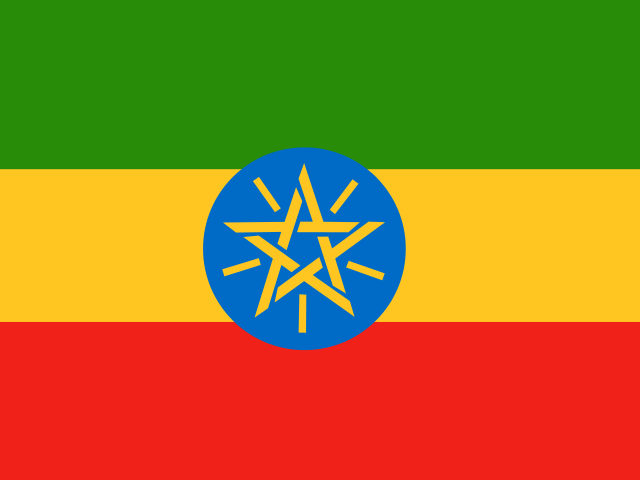
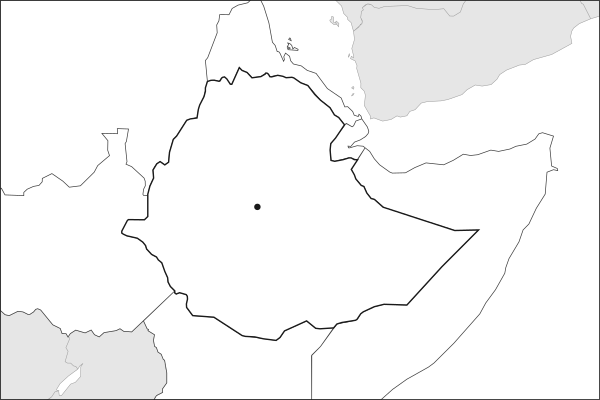
Flag of EthiopiaEthiopia in solid, land neighbours outlined, capital marked.
The app teaches each country through short hand written lenses: PLACE for physical geography, STORY for history and identity, NOW for the news, and THREAD for the ties between countries. Here is one of Ethiopia's 8, in full.
PLACELens 1 of 8
The most populous landlocked country on Earth
Assab handled two thirds of Ethiopian trade until the border war of 1998 closed it, six years after Eritrea voted itself independent and took the entire Red Sea shore with it. Since then a country of roughly 130 million has run almost all its imports and exports through Djibouti, a neighbor of about a million people. In 2024 Addis Ababa signed a memorandum with Somaliland for 19 kilometers of coast, and Somalia treated it as a threat.
More on Assab
Assab was built up with Soviet and Yugoslav help while Eritrea was part of Ethiopia, and it emptied after the border closed: the town's population had fallen to about twenty thousand by 2005. Turkish mediation produced the Ankara Declaration in December 2024, in which Somalia offered commercial sea access under its own sovereignty and the Somaliland memorandum was left unmentioned.
7 more lenses on Ethiopia in the app
PLACE Ethiopia sits at the core of the Horn of Africa
THREAD The Nile makes Ethiopia impossible to ignore
STORY Ethiopia was never colonized, and that shapes everything
NOW Ethiopia completed Africa's largest dam and is betting on energy-led transformation
THREAD The Horn of Africa does not work without Ethiopia
STORY Ethiopia keeps its own calendar and clock
THREAD Every arabica coffee tree traces back here
Titles only. The app brings each lens back on a spaced repetition schedule set by how well you knew it: New, Hazy or Clear.
Compare Ethiopia with another country
Opens the country comparison tool with population, area, income and more side by side, every figure dated.
Common questions
What is the capital of Ethiopia?
The capital of Ethiopia is Addis Ababa. Addis Ababa lies at about 9.0 degrees north and 38.7 degrees east. Ethiopia is in Africa, in the region often called East Africa. It is home to about 135.5 million people. The world capitals quiz on this site tests every capital, and the printable capitals sheets cover each continent.
What is the population of Ethiopia?
About 135.5 million people live in Ethiopia, according to the World Bank figures for 2025. That makes it the 10th most populous of the 195 countries. With an area of 1,136,240 square kilometres, that is about 119 people per square kilometre.
What countries border Ethiopia?
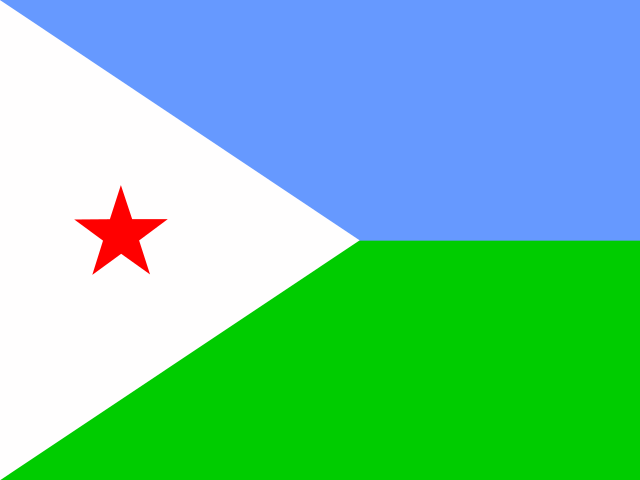
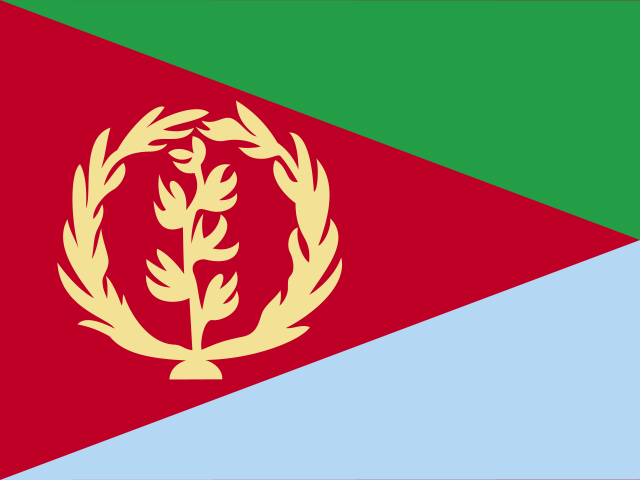
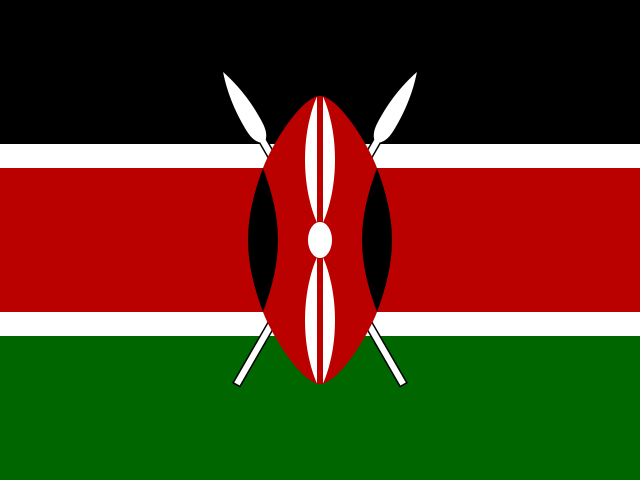
Ethiopia shares land borders with 6 countries: Djibouti, Eritrea, Kenya, Somalia, South Sudan and Sudan. The map on this page outlines each of them around Ethiopia. The count includes only borders on land, not neighbours across a sea or a lake.
How big is Ethiopia?
Ethiopia covers 1,136,240 square kilometres, or about 438,704 square miles. That makes it the 26th largest of the 195 countries. The figure is total surface area, which includes inland water such as lakes and rivers. Its population of about 135.5 million gives a density of 119 people per square kilometre.
Ethiopia is a country in Africa, in East Africa, with about 135.5 million people (2025) and an area of 1,136,240 square kilometres. Its capital is Addis Ababa, and it shares land borders with 6 countries.
Capital
Addis Ababa
Continent
Africa
Region
East Africa
Population
135,472,051 2025, World Bank. 10th of 195.
Area
1,136,240 km² (438,704 sq mi) World Bank, surface area. 26th largest of 195.
Population density
119 people per km²
Land neighbours
6: Djibouti, Eritrea, Kenya, Somalia, South Sudan, Sudan
Official name
Federal Democratic Republic of Ethiopia
UN status
Member state
PLACE · from the Geography app
The most populous landlocked country on Earth
Assab handled two thirds of Ethiopian trade until the border war of 1998 closed it, six years after Eritrea voted itself independent and took the entire Red Sea shore with it. Since then a country of roughly 130 million has run almost all its imports and exports through Djibouti, a neighbor of about a million people. In 2024 Addis Ababa signed a memorandum with Somaliland for 19 kilometers of coast, and Somalia treated it as a threat.
Keep going on your iPhone. Scan for Geography: the world, one country at a time, about five minutes a day. No quizzes and no streaks. playgeography.app/countries/ethiopia/ · Map data: Natural Earth. Figures: World Bank and national sources, as listed on the page.
Geography · Country report
Ethiopia
NameDate
Draw the flag
Colour Ethiopia on the map, then fill in what you find.
Capital
Continent
Population
Area
Languages
Currency
Neighbours
Landmarks
Rivers or mountains
Three things I learned
1
2
3
One question I still have
?
Keep going on your iPhone. Scan for Geography: the world, one country at a time, about five minutes a day. No quizzes and no streaks. playgeography.app/countries/ethiopia/ · Map data: Natural Earth. Figures: World Bank and national sources, as listed on the page.