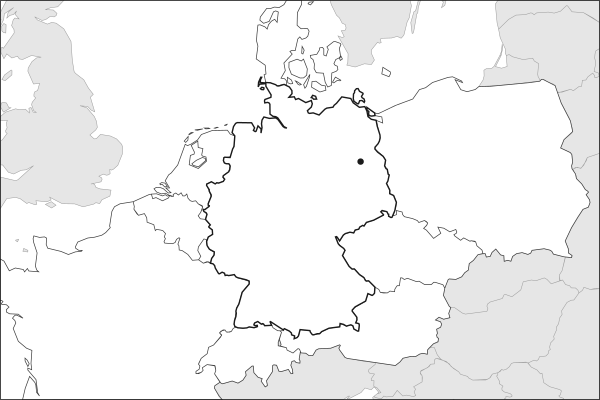
Germany is a country in Europe, with about 83.5 million people (2025) and an area of 357,680 square kilometres. Its capital is Berlin, and it shares land borders with 9 countries.
By Team Geography·Last reviewed
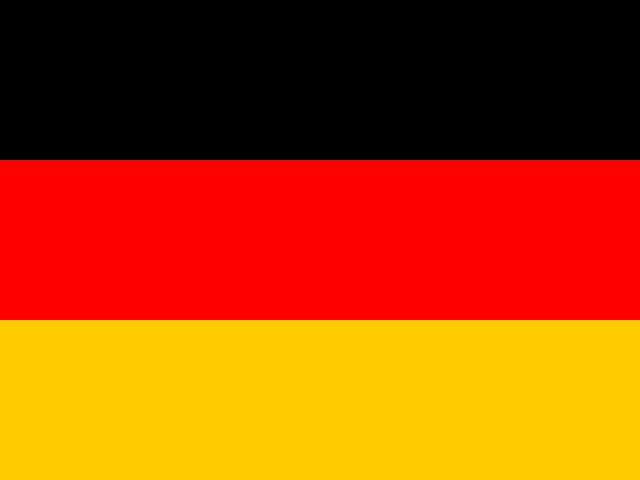
Flag of GermanyGermany in solid, land neighbours outlined, capital marked.
The app teaches each country through short hand written lenses: PLACE for physical geography, STORY for history and identity, NOW for the news, and THREAD for the ties between countries. Here is one of Germany's 17, in full.
PLACELens 1 of 17
A river that sets industrial output
The Rhine is Germany's cheapest freight corridor, carrying coal, ore, chemicals and fuel from Rotterdam past the Ruhr to Switzerland. Duisburg, where the Ruhr meets it, is the largest inland port in the world. The river is also a constraint: barges load by draft, so in the drought summer of 2018 they sailed at a fraction of capacity, and the Bundesbank later attributed about a fifth of a percentage point of lost annual growth to low water.
More on barges load by draft
A Rhine barge draws its economics from depth: at the Kaub gauge in the middle Rhine, a shallow reach, a drop of half a meter can cut the cargo a vessel may legally carry by half, doubling the cost per ton. Chemical plants at Ludwigshafen and refineries upstream therefore watch a single water-level reading the way traders watch a price.
16 more lenses on Germany in the app
PLACE Germany is the middle of Europe in the most literal sense
STORY Postwar Germany built itself around caution
NOW Europe's industrial machine under stress
THREAD Germany is where EU ambition meets real-world limits
NOW Germany has decided what its security is worth
PLACE Reunification reshaped Germany's internal geography
PLACE A federal nation, a federal game
STORY The Miracle of Bern and a nation reborn
NOW A shootout, and a drought that will not end
THREAD A 1954 rematch with Hungary, a lasting bond
PLACE The Bundesliga and its full stadiums
STORY Reunification and the wins that followed
NOW The 50+1 rule and a different model
THREAD A national team shaped by decades of migration
STORY Half a country learns a trade instead
THREAD German factories that stand in other countries
Titles only. The app brings each lens back on a spaced repetition schedule set by how well you knew it: New, Hazy or Clear.
Compare Germany with another country
Opens the country comparison tool with population, area, income and more side by side, every figure dated.
Common questions
What is the capital of Germany?
The capital of Germany is Berlin. Berlin lies at about 52.5 degrees north and 13.4 degrees east. Germany is in Europe. It is home to about 83.5 million people. The world capitals quiz on this site tests every capital, and the printable capitals sheets cover each continent.
What is the population of Germany?
About 83.5 million people live in Germany, according to the World Bank figures for 2025. That makes it the 19th most populous of the 195 countries. With an area of 357,680 square kilometres, that is about 233 people per square kilometre.
What countries border Germany?
Germany shares land borders with 9 countries: Austria, Belgium, Czechia, Denmark, France, Luxembourg, Netherlands, Poland and Switzerland. The map on this page outlines each of them around Germany. The count includes only borders on land, not neighbours across a sea or a lake.
How big is Germany?
Germany covers 357,680 square kilometres, or about 138,101 square miles. That makes it the 63rd largest of the 195 countries. The figure is total surface area, which includes inland water such as lakes and rivers. Its population of about 83.5 million gives a density of 233 people per square kilometre.
Germany is a country in Europe, with about 83.5 million people (2025) and an area of 357,680 square kilometres. Its capital is Berlin, and it shares land borders with 9 countries.
Capital
Berlin
Continent
Europe
Population
83,491,249 2025, World Bank. 19th of 195.
Area
357,680 km² (138,101 sq mi) World Bank, surface area. 63rd largest of 195.
Population density
233 people per km²
Land neighbours
9: Austria, Belgium, Czechia, Denmark, France, Luxembourg, Netherlands, Poland, Switzerland
Official name
Federal Republic of Germany
UN status
Member state
PLACE · from the Geography app
A river that sets industrial output
The Rhine is Germany's cheapest freight corridor, carrying coal, ore, chemicals and fuel from Rotterdam past the Ruhr to Switzerland. Duisburg, where the Ruhr meets it, is the largest inland port in the world. The river is also a constraint: barges load by draft, so in the drought summer of 2018 they sailed at a fraction of capacity, and the Bundesbank later attributed about a fifth of a percentage point of lost annual growth to low water.
Keep going on your iPhone. Scan for Geography: the world, one country at a time, about five minutes a day. No quizzes and no streaks. playgeography.app/countries/germany/ · Map data: Natural Earth. Figures: World Bank and national sources, as listed on the page.
Geography · Country report
Germany
NameDate
Draw the flag
Colour Germany on the map, then fill in what you find.
Capital
Continent
Population
Area
Languages
Currency
Neighbours
Landmarks
Rivers or mountains
Three things I learned
1
2
3
One question I still have
?
Keep going on your iPhone. Scan for Geography: the world, one country at a time, about five minutes a day. No quizzes and no streaks. playgeography.app/countries/germany/ · Map data: Natural Earth. Figures: World Bank and national sources, as listed on the page.
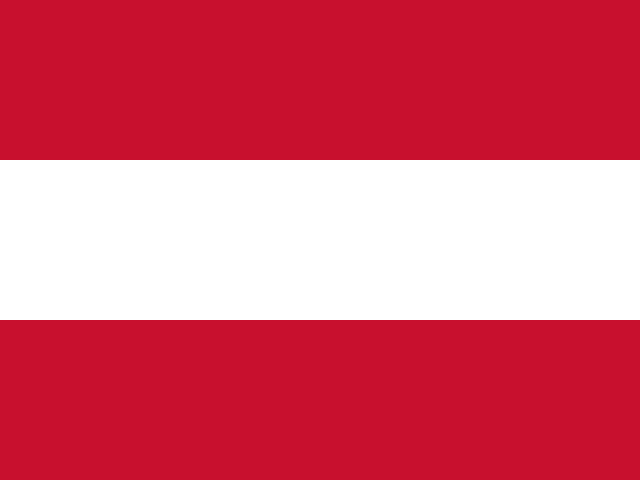 AustriaVienna
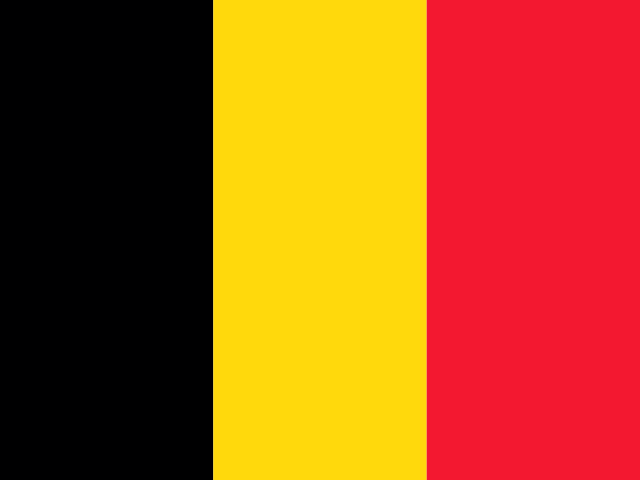 BelgiumBrussels
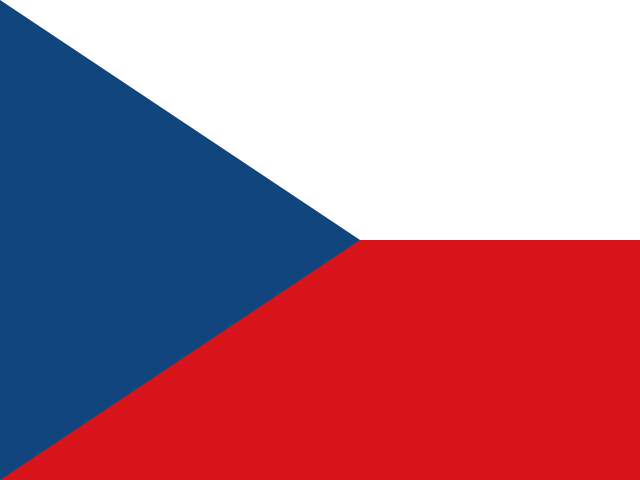 CzechiaPrague
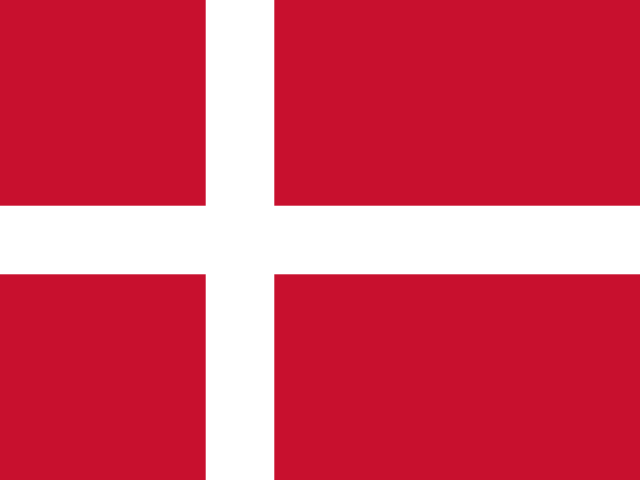 DenmarkCopenhagen
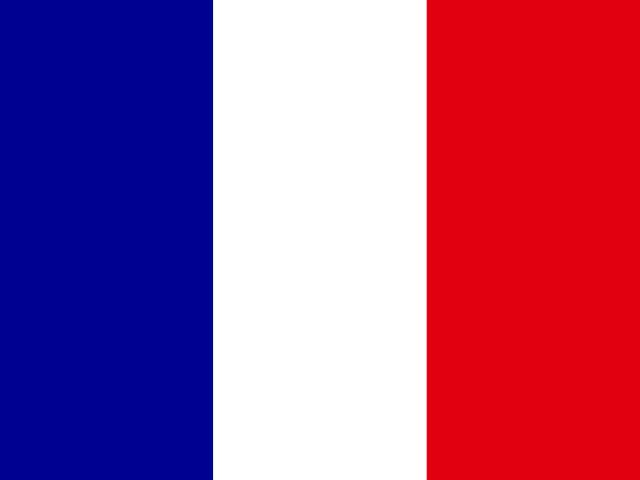 FranceParis
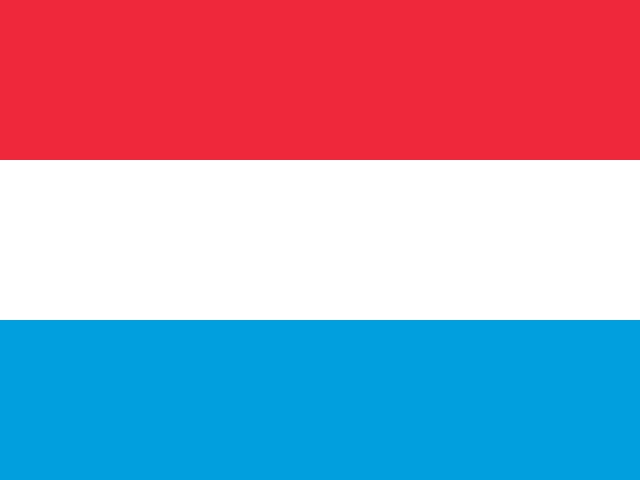 LuxembourgLuxembourg
 NetherlandsAmsterdam
 PolandWarsaw
 SwitzerlandBern