France is a country in Europe, with about 68.7 million people (2025) and an area of 606,410 square kilometres. Its capital is Paris, and it shares land borders with 10 countries.
By Team Geography·Last reviewed
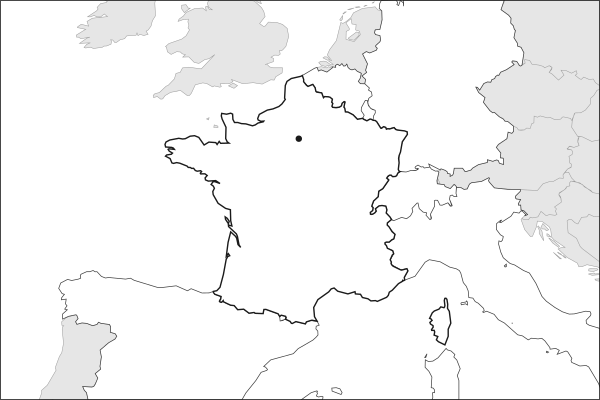
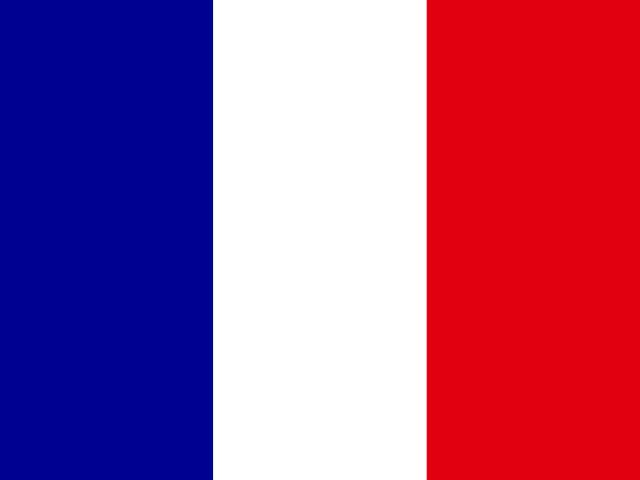
Flag of FranceFrance in solid, land neighbours outlined, capital marked.
The app teaches each country through short hand written lenses: PLACE for physical geography, STORY for history and identity, NOW for the news, and THREAD for the ties between countries. Here is one of France's 17, in full.
PLACELens 1 of 17
France put its reactors on rivers, not coasts
Reactors are usually built beside the sea. France, with a deep interior and long navigable rivers, sited about two thirds of its reactor capacity inland, on the Rhone and the Loire above all, and gave most inland stations cooling towers so water could be recycled. Nuclear supplies roughly seventy percent of French electricity, which ties the grid to hydrology: in hot summers, limits on the temperature of water returned to a river force reactors to throttle back.
More on cooling towers
France runs 56 reactors at eighteen sites. A hyperbolic tower evaporates a few percent of the water it draws, but it lets a plant take far less from the river and return it cooler. Five coastal stations, among them Gravelines on the North Sea, need no towers because the sea absorbs the heat. During the 2003 heatwave the state granted temporary exemptions from discharge limits.
16 more lenses on France in the app
PLACE France is the bridge between Northern and Southern Europe
STORY France defines itself through centralization and cultural confidence
STORY Laïcité is not just secularism; it is a national creed
NOW France is trapped in a political crisis unprecedented in the Fifth Republic
NOW France's African era is ending faster than Paris expected
THREAD France is the EU's political engine alongside Germany
THREAD France projects power through language and institutions
PLACE A hexagon and its football hinterland
STORY Black, blanc, beur and a shared triumph
NOW Two Golden Boots, and a fourth-place finish
THREAD A talent pipeline rooted in empire
PLACE Clairefontaine and the science of development
STORY Zidane, the headbutt and a complicated icon
NOW More players than one national team can hold
THREAD France and the African game, intertwined
PLACE A saddle at 189 meters that made a canal
Titles only. The app brings each lens back on a spaced repetition schedule set by how well you knew it: New, Hazy or Clear.
Compare France with another country
Opens the country comparison tool with population, area, income and more side by side, every figure dated.
Common questions
What is the capital of France?
The capital of France is Paris. Paris lies at about 48.9 degrees north and 2.3 degrees east. France is in Europe. It is home to about 68.7 million people. The world capitals quiz on this site tests every capital, and the printable capitals sheets cover each continent.
What is the population of France?
About 68.7 million people live in France, according to the World Bank figures for 2025. That makes it the 23rd most populous of the 195 countries. With an area of 606,410 square kilometres, that is about 113 people per square kilometre.
What countries border France?
France shares land borders with 10 countries: Andorra, Belgium, Brazil, Germany, Italy, Luxembourg, Monaco, Spain, Suriname and Switzerland. Brazil and Suriname touch a part of France that lies away from its main territory. The map on this page outlines each of them around France.
How big is France?
France covers 606,410 square kilometres, or about 234,136 square miles. That makes it the 45th largest of the 195 countries. The figure is total surface area, which includes inland water such as lakes and rivers. Its population of about 68.7 million gives a density of 113 people per square kilometre.
France is a country in Europe, with about 68.7 million people (2025) and an area of 606,410 square kilometres. Its capital is Paris, and it shares land borders with 10 countries.
Capital
Paris
Continent
Europe
Population
68,720,337 2025, World Bank. 23rd of 195.
Area
606,410 km² (234,136 sq mi) World Bank, surface area. 45th largest of 195.
Reactors are usually built beside the sea. France, with a deep interior and long navigable rivers, sited about two thirds of its reactor capacity inland, on the Rhone and the Loire above all, and gave most inland stations cooling towers so water could be recycled. Nuclear supplies roughly seventy percent of French electricity, which ties the grid to hydrology: in hot summers, limits on the temperature of water returned to a river force reactors to throttle back.
Keep going on your iPhone. Scan for Geography: the world, one country at a time, about five minutes a day. No quizzes and no streaks. playgeography.app/countries/france/ · Map data: Natural Earth. Figures: World Bank and national sources, as listed on the page.
Geography · Country report
France
NameDate
Draw the flag
Colour France on the map, then fill in what you find.
Capital
Continent
Population
Area
Languages
Currency
Neighbours
Landmarks
Rivers or mountains
Three things I learned
1
2
3
One question I still have
?
Keep going on your iPhone. Scan for Geography: the world, one country at a time, about five minutes a day. No quizzes and no streaks. playgeography.app/countries/france/ · Map data: Natural Earth. Figures: World Bank and national sources, as listed on the page.
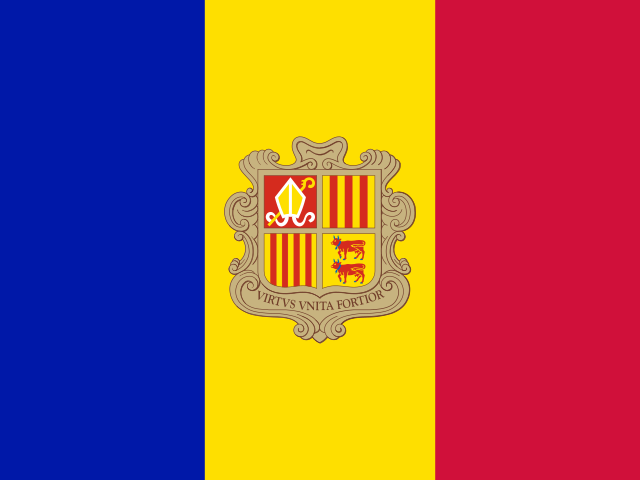 AndorraAndorra la Vella
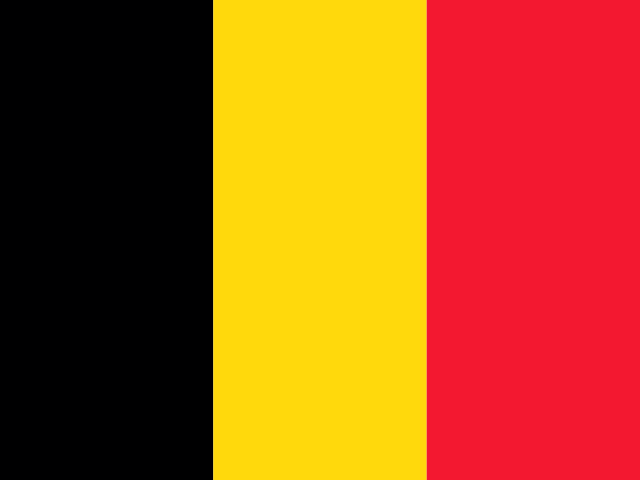 BelgiumBrussels
 BrazilBrasilia
 GermanyBerlin
 ItalyRome
 LuxembourgLuxembourg
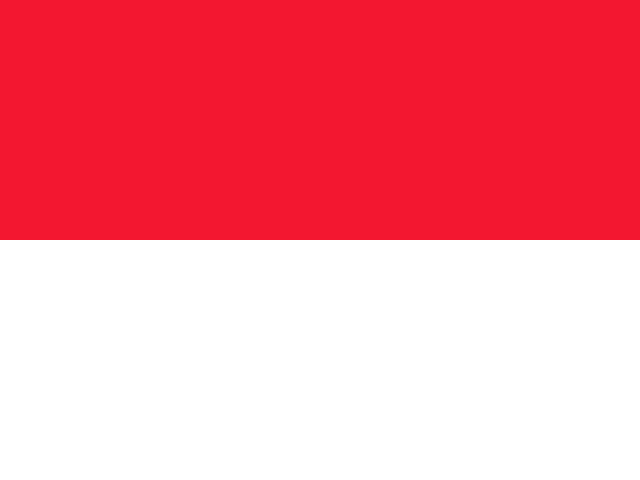 MonacoMonaco
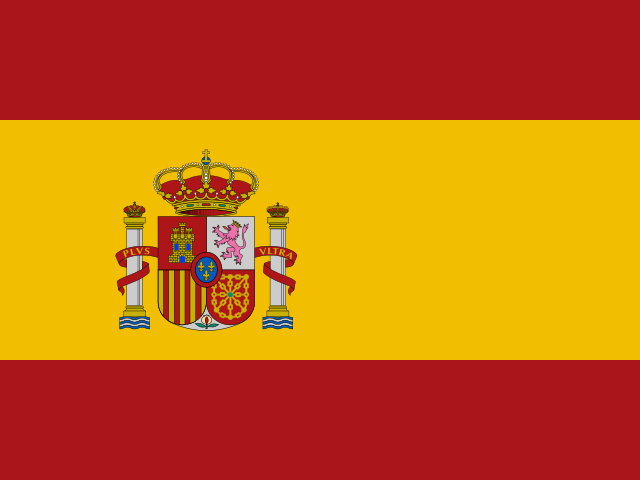 SpainMadrid
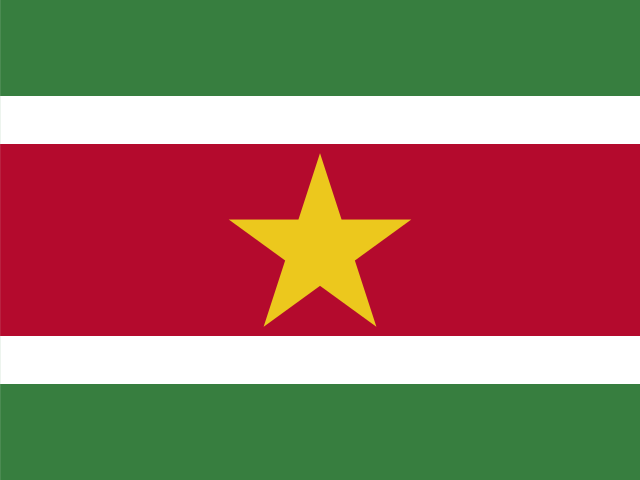 SurinameParamaribo
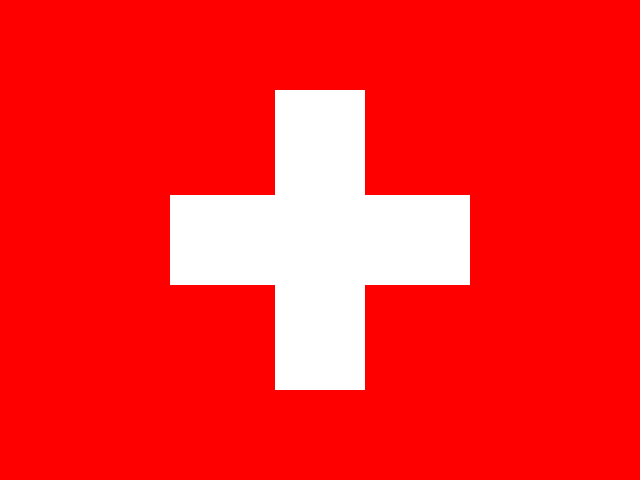 SwitzerlandBern