Austria is a country in Europe, with about 9.21 million people (2025) and an area of 83,879 square kilometres. Its capital is Vienna, and it shares land borders with 8 countries.
By Team Geography·Last reviewed
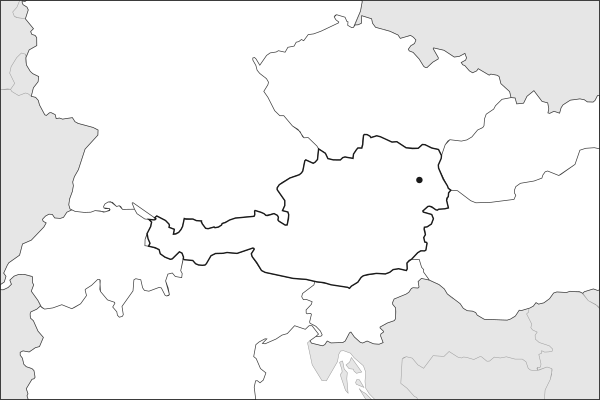
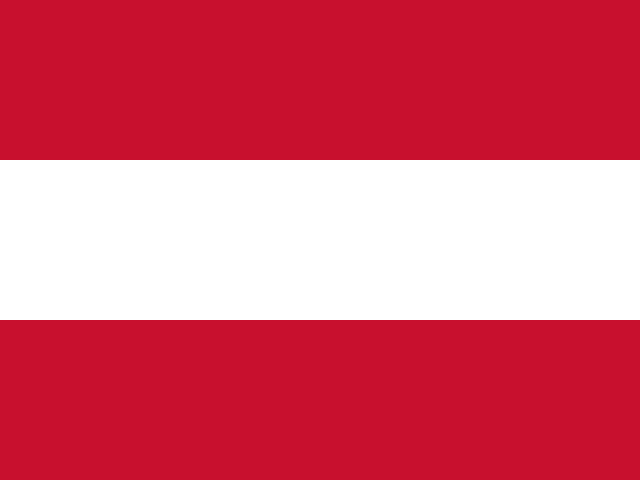
Flag of AustriaAustria in solid, land neighbours outlined, capital marked.
The app teaches each country through short hand written lenses: PLACE for physical geography, STORY for history and identity, NOW for the news, and THREAD for the ties between countries. Here is one of Austria's 17, in full.
PLACELens 1 of 17
Where Austria sits in Europe
Austria occupies a landlocked position at the heart of Central Europe, stretching from the flat Pannonian Basin in the east to the high Alps in the west. The Eastern Alps cover roughly 62 percent of the country, making it one of the most mountainous states on the continent. The Danube enters from Germany near Passau and flows eastward through the Wachau Valley before reaching Vienna, connecting Austria to a navigable corridor that runs all the way to the Black Sea.
More on Eastern Alps
The Eastern Alps span most of Austria's territory, including the Hohe Tauern range where Grossglockner rises to 3,798 meters. This alpine mass shapes the country's climate, hydrology, and settlement patterns, concentrating population in valleys and the eastern lowlands.
16 more lenses on Austria in the app
STORY The weight of imperial memory
NOW Vienna as a diplomatic crossroads
THREAD Alpine water and downstream neighbors
STORY A republic shaped by music
PLACE A small country at the crossroads of football
STORY The Wunderteam and a vanished football culture
NOW A revival built on a feeder system
THREAD One language, three countries, a single labor market
PLACE Vienna, a capital of two clubs
STORY Cordoba, 1978, and a single sweet defeat
NOW A coaching philosophy that Austria exports to Europe
THREAD The old empire, still on the pitch
PLACE Salt built the Alps' first industrial landscape
NOW A landlocked country learns to buy gas westward
THREAD The borders Austria lost, kept and was given
PLACE The city that drinks from two distant massifs
Titles only. The app brings each lens back on a spaced repetition schedule set by how well you knew it: New, Hazy or Clear.
Compare Austria with another country
Opens the country comparison tool with population, area, income and more side by side, every figure dated.
Common questions
What is the capital of Austria?
The capital of Austria is Vienna. Vienna lies at about 48.2 degrees north and 16.4 degrees east. Austria is in Europe. It is home to about 9.21 million people. The world capitals quiz on this site tests every capital, and the printable capitals sheets cover each continent.
What is the population of Austria?
About 9.21 million people live in Austria, according to the World Bank figures for 2025. That makes it the 97th most populous of the 195 countries. With an area of 83,879 square kilometres, that is about 110 people per square kilometre.
What countries border Austria?
Austria shares land borders with 8 countries: Czechia, Germany, Hungary, Italy, Liechtenstein, Slovakia, Slovenia and Switzerland. The map on this page outlines each of them around Austria. The count includes only borders on land, not neighbours across a sea or a lake.
How big is Austria?
Austria covers 83,879 square kilometres, or about 32,386 square miles. That makes it the 116th largest of the 195 countries. The figure is total surface area, which includes inland water such as lakes and rivers. Its population of about 9.21 million gives a density of 110 people per square kilometre.
Austria is a country in Europe, with about 9.21 million people (2025) and an area of 83,879 square kilometres. Its capital is Vienna, and it shares land borders with 8 countries.
Capital
Vienna
Continent
Europe
Population
9,208,163 2025, World Bank. 97th of 195.
Area
83,879 km² (32,386 sq mi) World Bank, surface area. 116th largest of 195.
Austria occupies a landlocked position at the heart of Central Europe, stretching from the flat Pannonian Basin in the east to the high Alps in the west. The Eastern Alps cover roughly 62 percent of the country, making it one of the most mountainous states on the continent. The Danube enters from Germany near Passau and flows eastward through the Wachau Valley before reaching Vienna, connecting Austria to a navigable corridor that runs all the way to the Black Sea.
Keep going on your iPhone. Scan for Geography: the world, one country at a time, about five minutes a day. No quizzes and no streaks. playgeography.app/countries/austria/ · Map data: Natural Earth. Figures: World Bank and national sources, as listed on the page.
Geography · Country report
Austria
NameDate
Draw the flag
Colour Austria on the map, then fill in what you find.
Capital
Continent
Population
Area
Languages
Currency
Neighbours
Landmarks
Rivers or mountains
Three things I learned
1
2
3
One question I still have
?
Keep going on your iPhone. Scan for Geography: the world, one country at a time, about five minutes a day. No quizzes and no streaks. playgeography.app/countries/austria/ · Map data: Natural Earth. Figures: World Bank and national sources, as listed on the page.
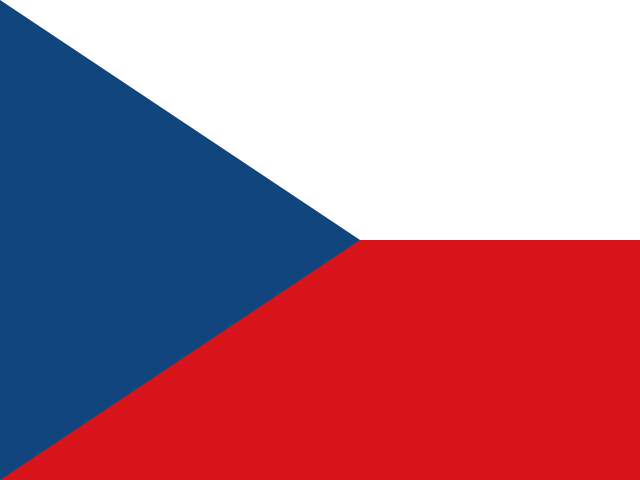 CzechiaPrague
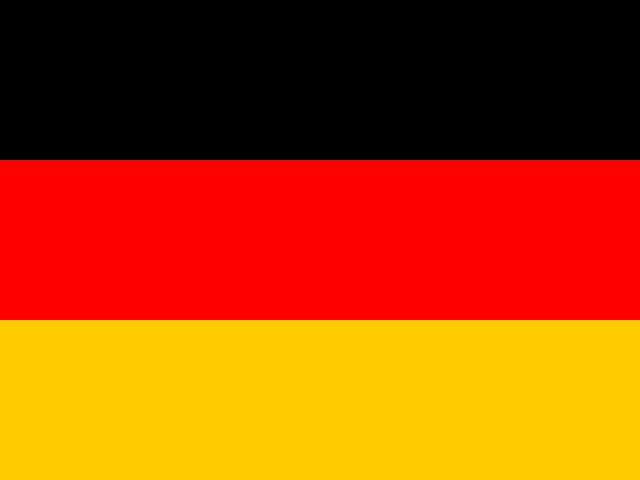 GermanyBerlin
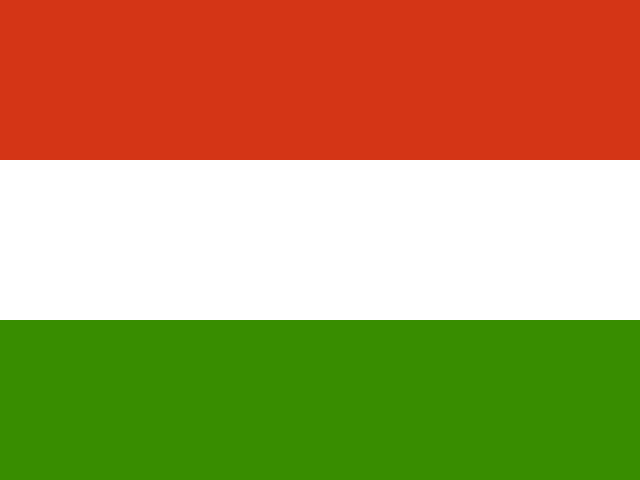 HungaryBudapest
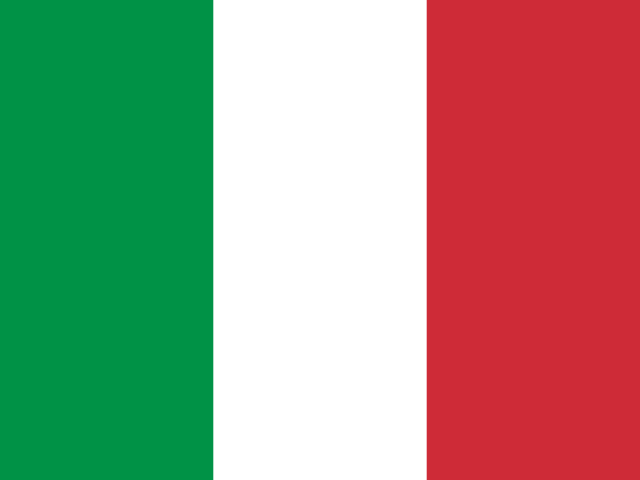 ItalyRome
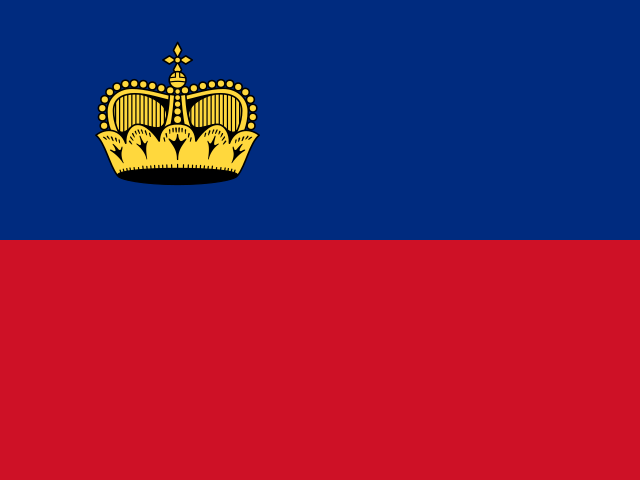 LiechtensteinVaduz
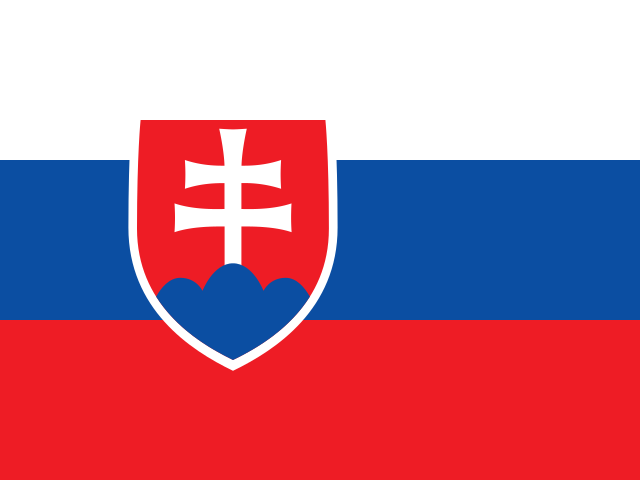 SlovakiaBratislava
 SloveniaLjubljana
 SwitzerlandBern